Analysis of the PSG-Bayern Shock in the 2026 Champions League Semi-Final: A 9-Goal Match and Its Tactical Stakes
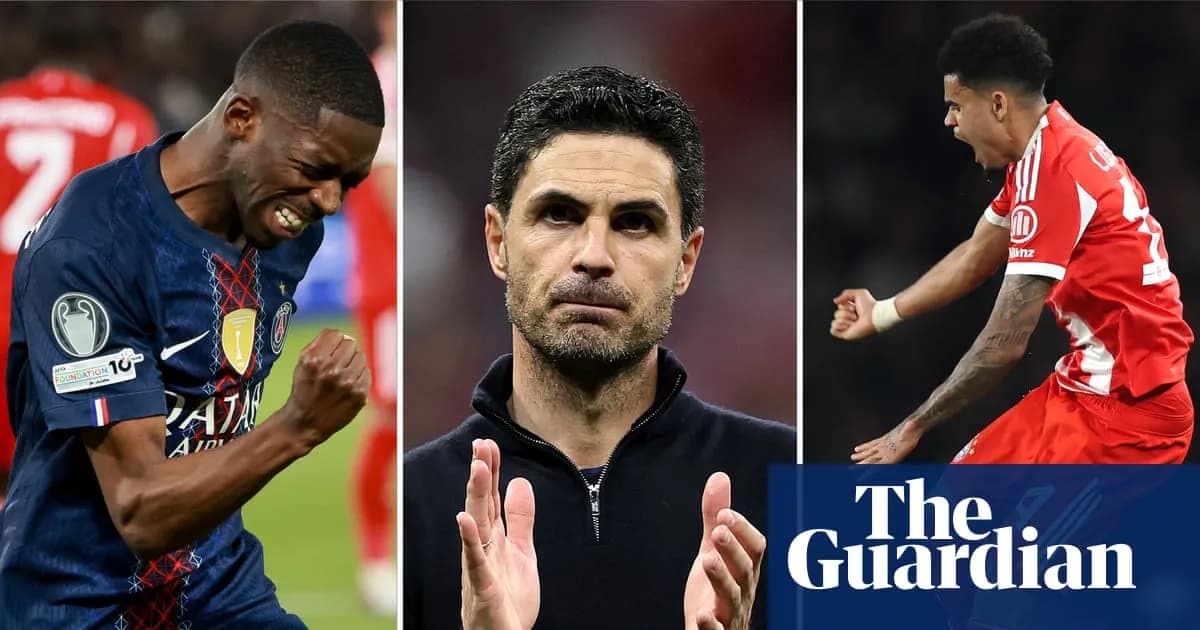
The first leg of the Champions League semi-finals offered a rare spectacle with nine goals scored between Paris Saint-Germain and Bayern Munich. This match raises questions about defense and the level of attackers in Europe.
The opening leg of the Champions League semi-finals surprised with its offensive intensity and a total of nine goals scored, an exceptional event in a competition usually marked by increased tactical caution. According to The Guardian, this encounter between Paris Saint-Germain (PSG) and Bayern Munich highlighted a paradox: the defensive weakness displayed by two of Europe's football powerhouses.
This very high score has reignited the debate about defensive quality in modern football, especially within French and German clubs. The fact that these teams dominate their national leagues might explain their more offensive strategy and lesser defensive discipline during the Champions League knockout stages.
Several factors explain this open play and the offensive festival observed. First, the concentration of Europe's best attackers at PSG and Bayern is a decisive factor. With squads composed of recognized stars, these clubs can afford to prioritize offensive spectacle, even if it sometimes comes at the expense of defensive discipline.
Next, the tactical context is influenced by calendar management and priorities. Indeed, according to The Guardian, the national dominance of both clubs allows them to conserve energy for European matches, but paradoxically, this can also mean a relaxation in defensive organization in favor of a more spectacular style of play.
Finally, this match showed that the notion of "defensive puritanism" is increasingly incompatible with modern football, where offensive efficiency often takes precedence over tactical rigor in defense.
Tactical Stakes and Implications for the Rest of the Competition
This nine-goal duel not only reflects a night of offensive madness but also raises strategic questions for the remainder of the competition. Coaches will need to react and adjust their systems to avoid the second leg turning again into an offensive showcase, risking compromising their final ambitions.
Moreover, the individual performance of certain players, notably a certain Díaz whose perfect timing was highlighted, could influence upcoming tactical plans. His ability to exploit opponents' defensive weaknesses will need to be considered by technical staffs.
Finally, this encounter illustrates an imbalance between the offensive quality and defensive solidity of Europe's leading clubs, a factor that could redefine tactical approaches in the coming Champions League seasons.
Perspectives and Lessons for European Football
Beyond the spectacle, this match between PSG and Bayern Munich highlights a worrying trend for European football: the apparent decline of the art of defending in the face of the rise of attackers. This evolution could push clubs to rethink their training models and recruitment strategies to rebalance defensive and offensive efficiency.
Furthermore, the concentration of offensive talents in a few major clubs questions the competitiveness of national leagues and their effects on European performance. The fact that PSG and Bayern enjoy near-undisputed dominance in their respective leagues could favor these types of spectacular but tactically unbalanced encounters.
Finally, this match foreshadows upcoming European clashes as high-intensity offensive events, with direct implications on how coaches will prepare their teams, both defensively and offensively.
A Historical Context That Illuminates the Encounter
PSG and Bayern Munich, two emblematic European football clubs, possess a rich Champions League history that adds a special dimension to this encounter. Bayern, with its six titles, is one of the most decorated clubs in the competition, embodying a tradition of tactical rigor and collective efficiency. On the other hand, PSG, despite its spectacular rise over the last decade, is still seeking to realize its potential on the European stage.
This confrontation fits within a contemporary rivalry where Bayern represents German solidity, while PSG symbolizes French football spectacle. Historically, both clubs have often impressed with their ability to produce offensive football, but also through moments when their defense faltered under the pressure of major occasions.
This semi-final thus underlines a continuity in how these European giants approach the Champions League, where spectacle and pragmatism intertwine, sometimes to the detriment of defensive balance that seems to be fading season after season.
Stakes for Ranking and European Dynamics
Beyond the simple result, this nine-goal match has major implications on the clubs' dynamics in the Champions League. With the first leg delivering such an offensive festival, the return leg promises to be highly tense, where tactical balance will be crucial to manage a tight score. Coaches now know that the slightest flaw could be fatal in such a demanding competition.
Ranking and qualification for the final will depend not only on scoring ability but also on regained defensive solidity. This duality demands deeper strategic reflection, where space management and collective discipline will be closely scrutinized.
Moreover, this encounter could influence the European hierarchy by demonstrating that even the most dominant clubs on their home turf are not immune to defensive exposure, opening the door to surprise performances from supposedly more modest opponents. Thus, the European championship could evolve towards greater balance, motivated by lessons learned from this spectacular confrontation.
In Summary
The first leg of the Champions League semi-finals between PSG and Bayern Munich offered a rare spectacle with nine goals scored, highlighting a major paradox: the growing difficulty in maintaining strict defensive discipline in the face of the offensive explosion of Europe's top clubs. This observation questions both coaches' tactical choices and the overall evolution of European football, where the pursuit of spectacle sometimes takes precedence over defensive rigor.
The historical context of the two clubs, their national dominance, and the stakes linked to qualification for the final reinforce the complexity of the adjustments to come. The individual performance of key players, like Díaz, also illustrates the importance of timing and precision in this ever faster and more offensive modern football.
Finally, this encounter lays the foundation for profound strategic reflection for the coming seasons, both at club level and in European competitions, where a new balance between unbridled offense and defensive solidity will likely need to be found to preserve the intensity and quality of the spectacle.