Why is Arsenal the Most Hated Club in England? Exploring the Reasons Behind the Hostility
Is Arsenal the most hated club in England? This in-depth analysis delves into the cultural, historical, and tactical factors that contribute to the widespread dislike of the club, despite their success in the Premier League and Champions League, and answers the question: why Arsenal is the most hated club in England
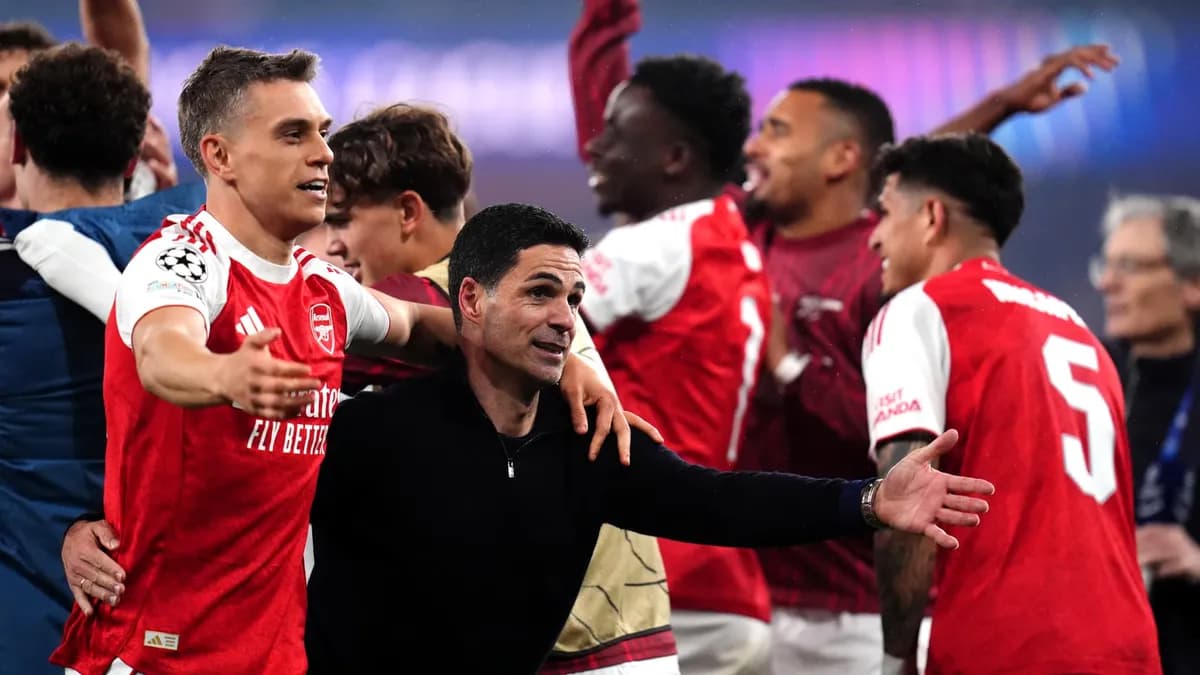
Arsenal is today one of the most successful clubs in England, approaching the Premier League title and a Champions League final, as recently highlighted by a Guardian journalist reported by RMC Sport. Yet, this sporting success is not accompanied by growing popularity among English supporters. On the contrary, Arsenal is considered the most hated club in the country, a paradox that intrigues and raises questions at the same time.
This hostility is all the more marked as the London club is about to face PSG in the Champions League final, a duel that polarizes opinions. The rivalry goes beyond purely sporting matters to touch on deep social and cultural aspects, impacting the overall perception of the club in the British football landscape.
The first reason lies in Arsenal's recent history, notably their years of success under Arsène Wenger. Although the Frenchman transformed the club, his methods and style of play were often criticized for making the team appear arrogant in the eyes of some opposing supporters. This perceived superiority contributed to a form of rejection.
Next, Arsenal operates in an environment where fan passion is heightened by longstanding rivalries, notably with clubs like Chelsea, Manchester United, or Liverpool. These historical antagonisms reinforce negative feelings towards the Gunners, amplified by their status as favorites in national and European competitions.
Finally, the club suffers from an elitist image, associated with a supporter profile perceived as different, even less popular than those of other English clubs. This social perception fuels a form of jealousy and rejection that goes far beyond the pitch and fits into a broader cultural dynamic.
How Does It Work?
On a tactical level, Arsenal plays football based on possession and technical mastery, a style that can irritate opponents and their supporters, especially when it results in constant dominance. This approach also fosters an image of a sophisticated club, sometimes judged as distant or arrogant.
The mechanism of sporting success, particularly their progression to the Champions League final, reinforces this divide. Indeed, clubs that dominate their national championship and Europe for a long time often tend to provoke negative reactions, as they represent a constant threat to other teams and their fans.
The economic and media context also plays a role. Arsenal benefits from significant media exposure, which amplifies any controversy or criticism against them. Moreover, being a London club, in a city where competition is fierce, heightens tensions and pressure around the club.
Numbers That Shed Light
According to RMC Sport, Arsenal is officially recognized as the most hated club in England, a paradoxical status given their exceptional sporting performances. This paradox is explained by various social and historical factors, but also by the perception opposing fans have of this club.
This hostility has not prevented Arsenal from qualifying for the Champions League final, proof of their elite level on the European stage. This sporting success, far from softening their image, seems to strengthen the division around the club.
Close to the Premier League title
Qualified for the Champions League final
Considered the most hated club in England according to a Guardian journalist
What Does This Change?
This situation has repercussions on the club's dynamics and its relationship with its supporters as well as its opponents. On the sporting level, Arsenal must cope with additional pressure during major events, each match becoming as much a psychological battle as a tactical one.
In terms of marketing and image, this ambivalent reputation can be a barrier to attracting certain sponsors or commercial partners, even if the visibility linked to their success remains a major asset. Furthermore, it also impacts how players experience their time at the club and their relationship with fans.
Finally, in the context of the Champions League final against PSG, this hostility could influence the atmosphere of the matches, media coverage, and the overall perception of the duel, adding an extra dimension to this European confrontation.
Our Verdict
The paradox of Arsenal, the most hated club despite their successes, illustrates the complexity of the relationships between sporting performance, cultural identity, and social perception in modern football. This phenomenon goes far beyond results on the pitch and reveals deep dynamics linked to history, style of play, and supporter sociology.
This hatred, although problematic, also highlights Arsenal's importance as a major player in English and European football. Their journey to glory is therefore as much a sporting success as a relational and cultural challenge, which will continue to shape their image in the years to come.