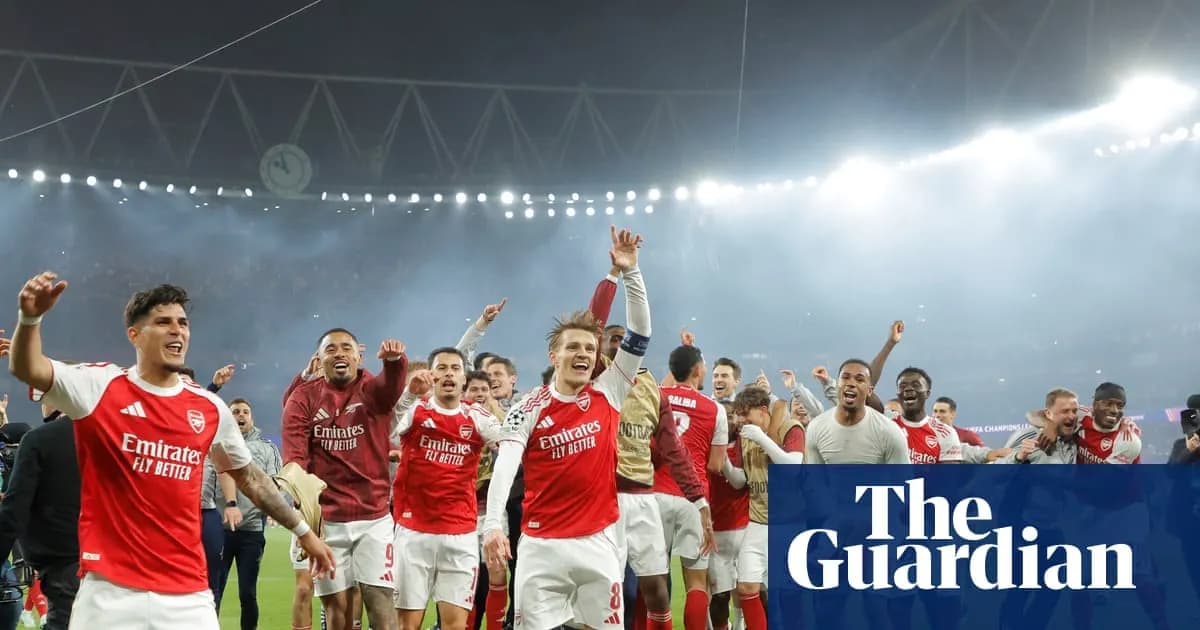
Champions League: Why the Final Will Not Be Free in the UK for the First Time in 34 Years
The Champions League final, featuring Arsenal against Paris Saint-Germain, will not be broadcast free in the UK, a first since the modern overhaul of the competition. TNT Sports requires a paid subscription for access to the three European finals, causing dissatisfaction from UEFA.
For the first time in 34 years, the Champions League final will not be freely accessible to the British public. TNT Sports, the rights holder in the UK, has decided to restrict access to all three European finals – Champions League, Europa League, and Europa Conference League – exclusively to its subscribers. This choice marks a major break with previous broadcasting practices, where the Champions League final was shown on free-to-air TV, allowing a wide audience to follow the event without additional costs.
This decision comes as English clubs, including Arsenal, compete for a series of European titles, a situation that could have justified broad free broadcasting to maximize national viewership. According to The Guardian, this policy has caused tensions with UEFA, which reportedly expressed dissatisfaction with TNT Sports’ change of strategy.
A direct impact on fans and the visibility of European football
By making the three European finals pay-to-watch, TNT Sports significantly limits access to major continental football matches in the UK, a key market for European football. Supporters will now have to subscribe to a paid service to watch the Champions League final, which will see Arsenal face Paris Saint-Germain in Budapest. This measure could reduce viewer numbers, especially among casual fans or younger audiences, who previously benefited from free broadcasts.
Moreover, the absence of free-to-air coverage may also affect the overall visibility of the competition and the profile of the participating clubs. The Champions League final is traditionally one of the most watched sporting events worldwide, and this change could alter the media consumption habits of British fans.
Finally, the commercial stakes are clear: TNT Sports aims to maximize its revenues by capitalizing on the excitement generated by these finals, especially with Arsenal’s presence, a club with a strong local fan base. However, balancing monetization and accessibility remains a delicate challenge.
The reasons behind TNT Sports’ decision
This pricing strategy fits within a context where European football TV rights are increasingly valued, and where streaming and pay platforms seek to secure their subscribers with strong exclusives. By restricting access to the European finals, TNT Sports asserts its position as the essential broadcaster for the most prestigious matches.
Furthermore, the decision to charge for access to these matches is explained by the desire to strengthen the profitability of acquired rights, in a highly competitive UK market where Sky Sports, BT Sport, and other players also seek to capture football fans’ attention.
UEFA’s negative reaction, however, reflects some concern about football’s accessibility to a broad audience, a central issue for promoting and enhancing the sport across Europe.
Consequences for the British sports broadcasting sector
This decision could trigger a domino effect in the UK broadcasting landscape. Other competitions or sporting events might also shift towards stricter pay models, increasing pressure on consumers to subscribe to multiple services. This fragmentation of offerings risks creating a barrier to entry for less engaged fans or those with limited budgets.
Moreover, TNT Sports’ tactic highlights the rise of pay platforms over free channels, in a context where the sports rights market is reaching historic highs in value. The challenge now is to reconcile economic profitability with maintaining a broad audience to preserve European football’s appeal.
The historical context of the final and the clubs involved
Since the modernization of the Champions League 34 years ago, the final has always been a major event accessible to a wide British audience, a fact that helped strengthen European football’s popularity in the UK. Arsenal, finalists this year, are a historic English club, known for their elegant playing style and youth development. Opposing them, Paris Saint-Germain embodies the rise of French football on the European stage, with massive investments and a clear ambition to win their first Champions League.
This confrontation between a historic English club and a recent European football giant represents a major tactical and symbolic duel, attracting millions of fans’ attention. The final in Budapest, a city rich in football history, adds an extra dimension to this already loaded sporting and cultural event.
The tactical and sporting stakes of the final
From a tactical perspective, this final pits two contrasting playing styles against each other. Arsenal, under their coach’s guidance, rely on fluid, fast, and attacking collective play, with great emphasis on possession and creativity in midfield. On the other hand, PSG, strengthened by their international stars, favor a more direct and physical football, capable of destabilizing opposing defenses through world-class individual talents.
The duel between these two approaches could determine not only the winner of the final but also influence the European rankings and club hierarchy on the continent. An Arsenal victory would consolidate English dominance this season, while PSG would seek to validate their investments and cement their status as a European powerhouse.
Long-term perspectives and consequences
Beyond the immediate impact on the season, this final could have lasting repercussions on the dynamics of European football. An Arsenal win would strengthen the English League as the most competitive and attractive championship, potentially influencing future TV rights and player markets. Conversely, a PSG success would confirm the rise of French football and could encourage other European clubs to adopt similar investment strategies.
Moreover, how the final is broadcast and consumed in the UK could set a precedent for future negotiations around TV rights. UEFA will likely need to consider these developments to ensure a balance between economic profitability and accessibility, a key factor in football’s popularity and growth across the continent.
In summary
TNT Sports’ decision to stop free broadcasting of the Champions League final in the UK illustrates a strong trend in the audiovisual industry: increased monetization of major sporting events via subscription. This approach, while understandable economically, raises questions about sport’s accessibility to the widest audience, a fundamental pillar of its popular success.
At a time when Arsenal faces PSG in a symbolic city like Budapest, this restriction could paradoxically limit national enthusiasm around this historic event. UEFA, as a European body, will likely need to reassess its partnerships and broadcasting strategies to preserve the balance between profitability and visibility, especially in key markets like the UK.
Unconfirmed information at this stage: the precise impact on audiences and the final reaction of British supporters remains to be seen, as well as potential future negotiations between UEFA and TNT Sports for upcoming editions.