Collective Agreement Finally Adopted for Professional Female Football Players in French Women's Football
After three years of waiting, clubs and professional female football players have reached a historic agreement on a collective agreement, marking a major step forward in the recognition and structuring of the discipline.
A decisive step for professional women's football in France
After three years of intense negotiations, a historic agreement has been reached between representatives of professional female football players and French clubs to establish a dedicated collective agreement. This progress, reported by RMC Sport, marks a significant turning point in the structuring and recognition of women's football at the highest level in France.
This collective agreement formalizes a legal and social framework adapted to the specificities of professional women's football, which until now lacked such a system. It aims to guarantee fairer working conditions, salaries, and social protections for players, thus responding to a growing demand for professionalization and equality in the sport.
Specifically, this agreement establishes clear rules on several essential aspects: minimum wages, working hours, leave, social protection, as well as coverage for injuries related to sporting activity. It is an unprecedented legal foundation that secures the careers of professional players and values their commitment.
Until now, players operated within a framework often deemed insufficient, with significant disparities between clubs and a lack of social guarantees. This collective agreement establishes a national standard that should tend to homogenize practices and strengthen the stability of women's squads in Ligue 1 and Division 1 Féminine clubs.
Beyond financial conditions, the agreement also provides measures to promote training, career transition, and players' health, contributing to the sustainable professionalization of the sector.
A long process of technical and social negotiation
Discussions between the unions representing professional players and clubs were long and complex, spread over three years. They involved various institutional and federal actors, reflecting the difficulty of reconciling sporting ambitions, economic constraints, and social demands.
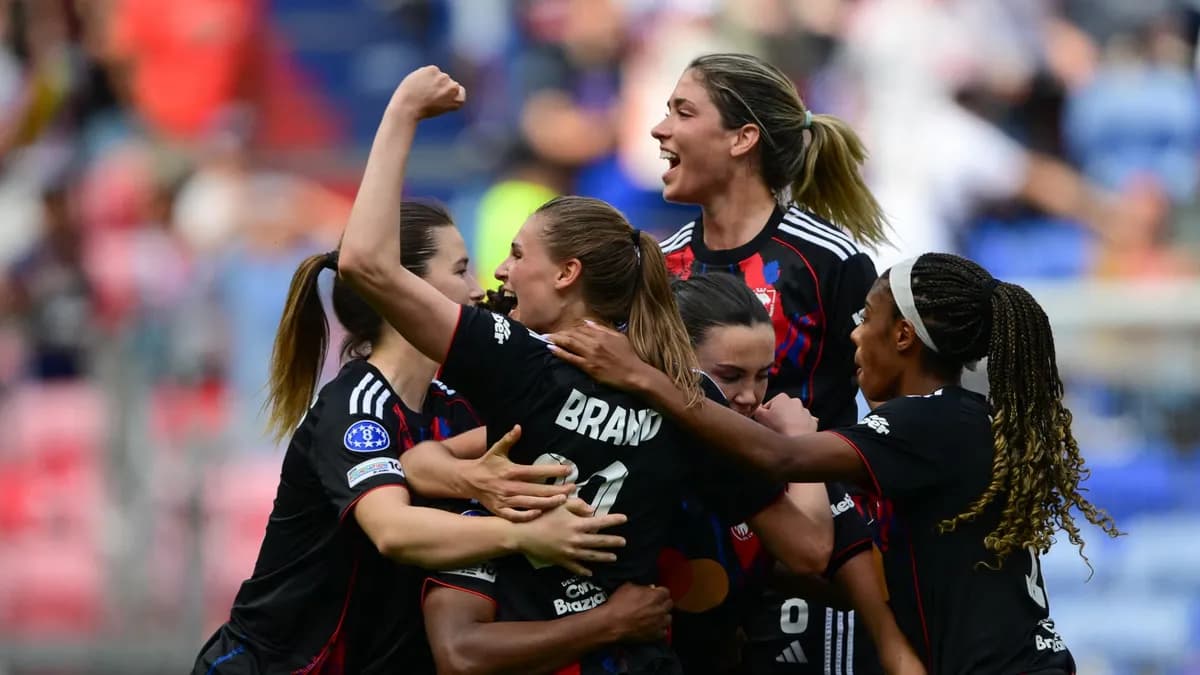
This collective agreement fits within a broader context of the rise of women's football in France, notably after the international successes of clubs like Olympique Lyonnais women's team, whose joyful photo against Arsenal in the Women's Champions League semi-final illustrates the sport's growth.
The legal structuring brought by this collective agreement responds to the legitimate demands of players, who had long called for official recognition and guarantees adapted to their professional status.
Beneficiaries and application modalities
This collective agreement will apply to all players under professional contract playing in recognized women's football clubs, notably in Division 1 Féminine. It establishes a legal framework that must be respected by all affiliated clubs, thereby strengthening coherence and transparency in managing women's squads.
It also provides tools for control and monitoring to ensure its proper application, with strengthened social dialogue mechanisms between players, clubs, and federations. This framework will also facilitate mediation in case of disputes related to contracts or working conditions.
A major advance for women's football and its ecosystem
The adoption of this collective agreement is a major step that should accelerate the professionalization of women's football in France. It helps strengthen the competitiveness of French clubs on the European stage by ensuring a more stable and attractive environment for players.
In the long term, this collective agreement could also serve as a model for other countries and federations, reflecting a positive dynamic for women's football globally. It sends a strong signal to sponsors, media, and investors, who will be able to rely on a clear professional framework to develop their commitments in the discipline.
Analysis: a necessary framework but persistent challenges
While this collective agreement is a historic advance, its success will now depend on its effective implementation and the clubs' ability to fully comply. Economic disparities between clubs remain significant, and sustaining this framework will require constant commitment from stakeholders.
Moreover, this agreement opens the way to future demands, notably regarding pay equality and training conditions. However, it sets a solid foundation to continue structuring professional women's football in line with the sport's rapid evolution.
Historical context and rise of women's football in France
Women's football in France has experienced spectacular growth over recent decades. Long marginalized, the sport has established itself thanks to the investment of clubs, players, and federal institutions. Olympique Lyonnais women's team, for example, has become an international benchmark, winning several major titles and attracting a growing audience. This dynamic has helped raise public awareness and mobilize stakeholders around increased professionalization.
The creation of this collective agreement comes at a time when Division 1 Féminine is gaining visibility and competitiveness. The stakes are now multiple: ensuring decent working conditions, strengthening the training of young talents, and allowing players to evolve in a secure framework. This historical context fuels hope for lasting recognition and real equality with men's football.
Tactical stakes and impact on club structuring
Beyond financial and social aspects, the collective agreement should also influence clubs' sporting strategy. With a better-defined working framework, clubs will be able to plan long-term, optimize squad management, and improve training conditions. This stability can translate into better team cohesion and enhanced quality of play, which is essential to compete at the highest European level.
Coaches and technical staff will benefit from increased leeway to develop ambitious sporting projects while ensuring players' well-being and health. Injury coverage and measures around career transition are key elements to guarantee career sustainability. These tactical and structural advances are essential to support the rise of women's football.
Perspectives and ambitions for national and European ranking
This collective agreement could have positive repercussions on the ranking of French clubs in national and international competitions. By ensuring a more attractive professional environment, clubs will be able to attract and retain high-level players, thus strengthening their competitiveness in increasingly contested championships.
French clubs, like Olympique Lyonnais, aim to maintain their place among the European elite, or even extend their dominance. A solid social and legal framework is an important lever to achieve this. In the longer term, this structuring could also contribute to better balance between teams, energizing the national championship and increasing its appeal to supporters, sponsors, and broadcasters.
In summary
The agreement reached for a collective agreement dedicated to professional female football players in France is a major advance. After three years of negotiations, this unprecedented legal framework provides essential guarantees in terms of remuneration, social protection, and working conditions. It marks an important step in the professionalization and recognition of women's football, which is experiencing remarkable growth nationally and internationally. While challenges remain, notably regarding pay equality and implementation, this collective agreement opens the way to a more stable, attractive, and competitive future for French women's football.