
The Situation: What's Happening
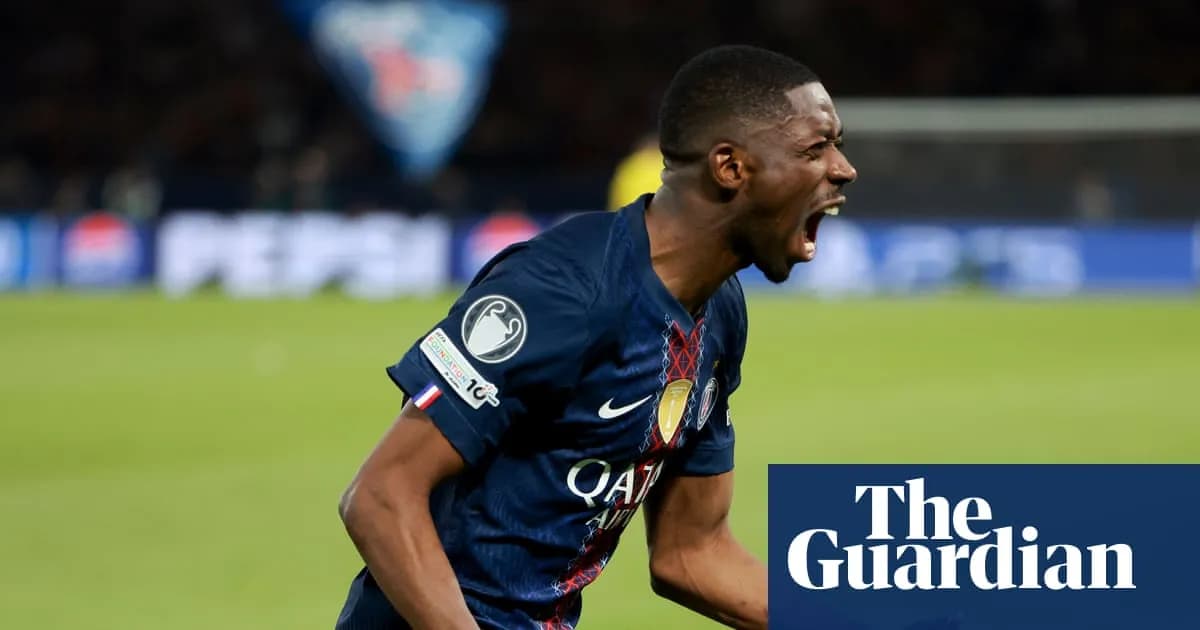
The duel between Paris Saint-Germain and Bayern Munich in the Champions League semi-final was a true offensive festival, totaling nine goals according to available data. This confrontation was immediately hailed as one of the most spectacular matches in the competition's history, captivating football enthusiasts and specialists alike. At the heart of this clash, each team seemed to make a deliberate choice for attack, offering a rare and intense spectacle.
Beyond the score, the match was marked by remarkable individual performances. Harry Kane, for example, demonstrated versatility and game intelligence that caught the attention of experts. Similarly, Khvicha Kvaratskhelia brought a touch of offensive magic, while João Neves scored an improbable header, illustrating the unpredictability of the match. The match was not without controversy, notably with a penalty awarded for a hand-ball by Alphonso Davies deemed contentious, which fueled the debate on refereeing in high-intensity matches.
This offensive display took place in a context of maximum pressure, with each club seeking to gain an advantage for a place in the final. Concurrently, tension was palpable in the English championship with Ipswich reaching for the Premier League, proof of the crucial importance of the ongoing stakes in several European leagues.
Why is this happening?
This match is largely explained by the playing philosophy of both teams, who favor an offensive approach and combine creativity and aggressiveness in their attacking phases. PSG, accustomed to dominating territorially