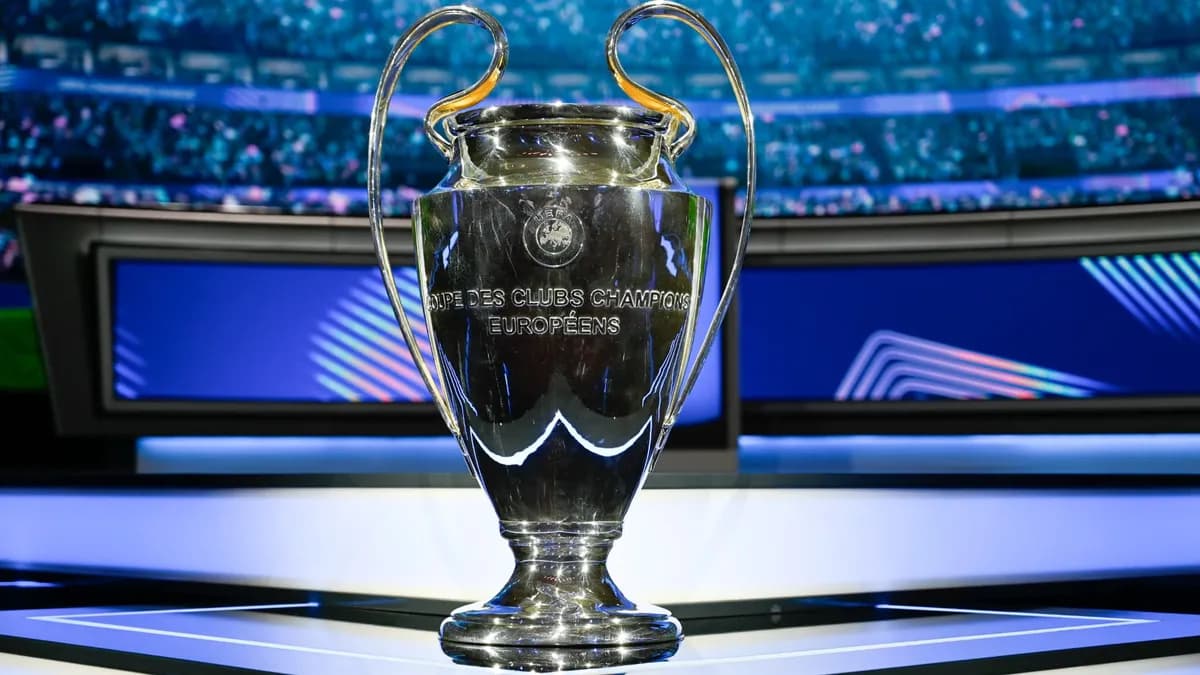
Pay TV broadcast of the PSG-Arsenal final: historic break in England for the Champions League
For the first time since 1992, the Champions League final between PSG and Arsenal will not be broadcast free-to-air in England. The match will be accessible only via subscription to TNT Sport and the HBO Max platform, sparking a heated controversy across the Channel.
An unprecedented break in the broadcast of the Champions League final in England
The Champions League final between Paris Saint-Germain and Arsenal marks a historic break in how this event will be broadcast in England. For the first time since 1992, British fans will not be able to watch this match free-to-air. TNT Sport, holder of the TV rights for the match across the Channel, has decided to include the final in its paid subscription package, thus breaking with the tradition of free broadcast on a public channel. This decision has sparked a heated controversy among English football supporters and observers.
Additionally, the match will also be available on the HBO Max streaming platform, accessible only via subscription, confirming a strong trend towards exclusive monetization of major sporting competitions. This development comes in a context where sports rights are becoming a major strategic lever for OTT platforms and private broadcasters.
A change that profoundly alters fans' access to European football
Until now, the Champions League final was an unmissable event accessible free-to-air in England, allowing a wide audience to attend this major event. Including the match in a paid offer now restricts its access, creating a gap between subscribers and non-subscribers. This decision could affect the visibility and engagement of English supporters, traditionally passionate about the European competition.
TNT Sport's strategy fits into a logic of increased commercial valorization of rights, in line with that of other major European broadcasters. Nevertheless, this choice raises questions about the balance between profitability and accessibility, especially in a country where football remains a strong cultural element. This new situation could also encourage the development of alternative viewing solutions, sometimes legal, sometimes not.
Moreover, the presence of the match on HBO Max illustrates the rise of streaming platforms in the sports domain, now competing with traditional broadcasters. This phenomenon impacts consumption habits, particularly among younger audiences more inclined to favor streaming over traditional television.
The economic mechanisms behind exclusive monetization
The choice not to broadcast the final free-to-air is explained by the valorization of media rights in a rapidly changing market. TNT Sport is betting on the attractiveness of the PSG-Arsenal final, two clubs with strong international appeal, to increase its subscriptions and monetize its investments. This strategy relies on an economic model that favors capturing a targeted and solvent audience.
The HBO Max platform, which has recently expanded its sports catalog, uses the final as flagship content to strengthen its position in the sports streaming sector. This dual paid channel reflects a trend towards fragmentation of rights, forcing fans to multiply subscriptions to follow their favorite teams.
This development takes place in an intense competitive context, where sports rights have become a strategic issue at the heart of battles between traditional broadcasters and new digital entrants. The Champions League, a flagship competition, perfectly illustrates this dynamic.
What impact on the audiovisual and sports sector?
The decision by TNT Sport and HBO Max to make the PSG-Arsenal final pay-to-watch marks a turning point in the broadcast policy of major sporting events in England. This choice could lead to a temporary drop in overall audience, but an increase in direct revenue from subscriptions. It also sends a strong signal to other major competitions that might follow this model.
For European football, this development reflects increased professionalization of media rights, with finer segmentation of audiences and maximum valorization of key events. However, it could also widen inequalities in access to the competition, especially in households where the budget for entertainment is limited.
Tactical perspectives and sporting stakes of the PSG-Arsenal final
Beyond the media stakes, this final between Paris Saint-Germain and Arsenal represents an exciting tactical duel between two ambitious teams. PSG, strong with its international stars, relies on fluid offensive play and strong technical mastery, while Arsenal favors high pressing and rigorous collective organization under the guidance of its coach. This clash promises crucial tactical adjustments, especially in midfield, where the battle for possession could prove decisive.
The coaches will also have to manage the intense pressure linked to a final of this magnitude, with key decisions on substitutions and defensive strategies. The ability to adapt during the match could make the difference, as well as the management of set pieces, often decisive in this type of encounter.
Historical context of the clubs and importance of the Champions League
Paris Saint-Germain, an emblematic club of French football, seeks to inscribe its name on the Champions League trophy, a quest that has driven the club’s project for several years. After several attempts and regular presence in the knockout stages, this final represents a unique opportunity to reach a historic milestone. On the other hand, Arsenal, a giant of English football, returns to the European stage with the ambition to confirm its renewal under a renewed sporting leadership.
This meeting thus has an important symbolic dimension, illustrating the respective rise of the two clubs in their national championships and on the continental stage. Victory in this final would not only be a sporting triumph but also a powerful lever for image and commercial development.
Potential consequences on the ranking and European dynamics
Beyond the trophy, this final will have repercussions on the European dynamics of both teams. Success in the Champions League would strengthen the credibility and confidence of the winning team, while positively impacting its UEFA ranking, which plays a key role in the future distribution of TV rights and qualifying places.
For the losing club, the result could lead to tactical and strategic reassessment, with possible consequences on recruitment and squad management. The result will also affect the popularity and motivation of supporters, who play an essential role in the life of both clubs.
In summary
This historic decision not to broadcast the Champions League final free-to-air in England illustrates current tensions between economic profitability and accessibility for the public. While increased monetization of rights is understandable in a competitive market context, it nevertheless raises questions about the future of the popular connection to football. In a world where streaming platforms are establishing themselves as major players, the fragmentation of the offer could complicate consumption for fans, while disrupting traditional broadcasting models.
The case of this PSG-Arsenal final, two emblematic clubs of their respective championships, is a relevant barometer of these changes. It invites observers to closely follow the next stages of sports rights commercialization and their consequences on the supporter experience.