DNCG: How OL and OM Made a Major Financial Effort in 2026
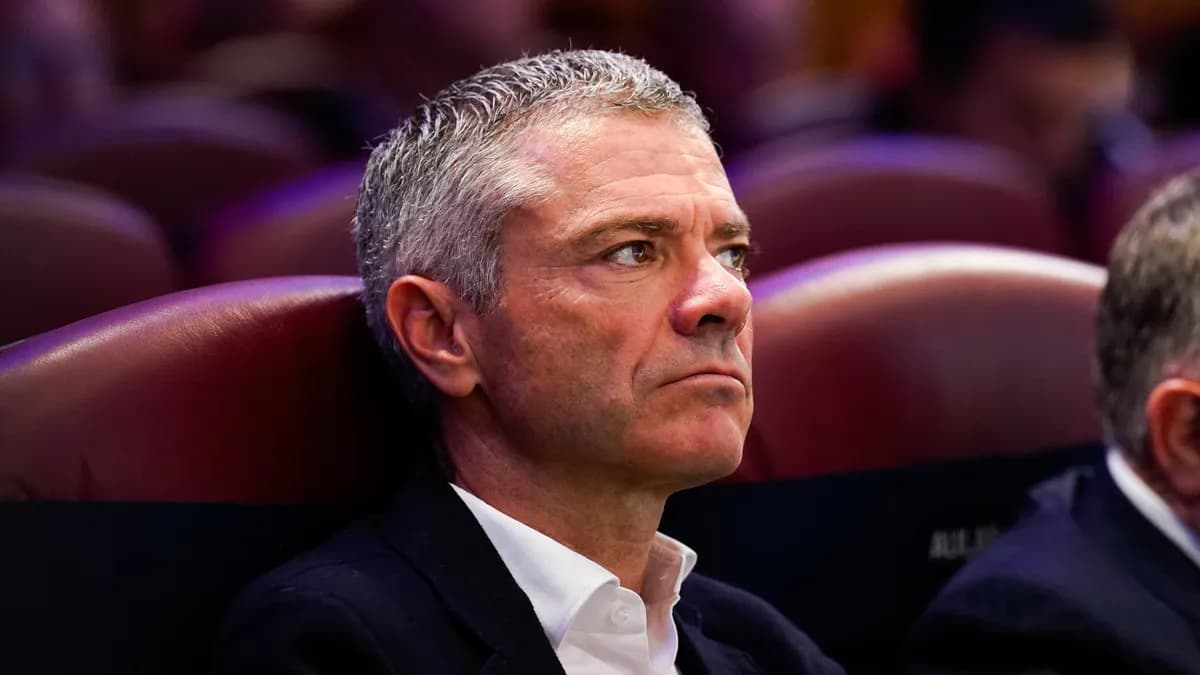
Jean-Marc Mickeler, president of the DNCG, highlights the significant financial efforts made by OL and OM to restore their situation. These historic Ligue 1 clubs face strict constraints but are progressing towards better stability.
Jean-Marc Mickeler, president of the National Directorate of Management Control (DNCG), provided a clear insight into the financial situation of the two giants of French football, Olympique Lyonnais and Olympique de Marseille. In an interview granted to the newspaper L’Équipe, he notably praised the commitment of both clubs to clean up their accounts and comply with the strict rules of the DNCG.
According to Mickeler, these efforts are not trivial: "It is a considerable effort, and we fully acknowledge it." This statement highlights the complexity of the financial challenges faced by these historically powerful clubs, confronted with delicate economic management in a Ligue 1 context where revenues are constantly evolving.
OL and OM have had to adapt their financial strategy to constraints reinforced by new regulations. The president of the DNCG notably mentions the necessity for these clubs to control their wage bills and improve their budgetary balances. These efforts involve rigorous control of transfers, more cautious management of player contracts, and optimization of commercial revenues.
In the case of OM, which has faced financial tensions in recent seasons, the support of the DNCG has helped to regulate spending and avoid budgetary overruns that could have negatively impacted sporting competitiveness. For Lyon, a historic club but also subject to strong economic pressure, recovery also involves better cost control and a more targeted recruitment policy.
Ligue 1 operates in a generally constrained economic environment, where revenues from TV rights, ticketing, and sponsorship must be optimized. The oversight exercised by the DNCG remains essential to guarantee the sustainability of clubs and avoid risks of over-indebtedness. Mickeler emphasizes the role of this institution which, beyond simple supervision, supports and encourages clubs towards sustainable management.
In this context, player valuation, amortization management, and the pursuit of financial balance emerge as major challenges. Clubs like OL and OM, with their large structures, must imperatively adapt to remain competitive on the sporting level while ensuring their economic viability.
These financial efforts have direct consequences on the clubs' sporting policies. The need to respect the salary cap and budgets set by the DNCG encourages a more rigorous selection of recruited players, often favoring youth development or profiles with high resale potential. This model tends to become widespread in Ligue 1 and modifies traditional recruitment dynamics.
For OM and OL, this new reality also implies rethinking commercial strategies, notably through the development of partnerships and increased exploitation of digital media rights. The professionalization of internal structures, especially in financial and marketing aspects, constitutes an additional lever to improve economic results.
Tactical and Sporting Challenges Linked to Financial Constraints
The rigor imposed by the DNCG also impacts the tactical dimension of the teams. With more limited budgets, OL and OM coaches often have to rely on young talents from their academies or on versatile players capable of playing multiple positions. This approach promotes greater tactical flexibility but also requires fine squad management to avoid injuries and preserve competitiveness.
Relying on less experienced profiles may slow the collective's rise in strength, but it also offers a stimulating dynamic that can prove rewarding in the medium term. Moreover, limiting spending on the transfer market pushes clubs to prioritize optimal physical preparation and rigorous tactical discipline to compensate for individual quality gaps. These adjustments are crucial to maintaining a high level of play despite budgetary constraints.
Financial History and Prospects for OL and OM
Olympique Lyonnais and Olympique de Marseille benefit from a rich history in French football, with prestigious records and a loyal supporter base. However, recent decades have shown that financial management must adapt to a constantly evolving environment, marked by rising costs and the globalization of the transfer market.
For Lyon, the prosperous period of the 2000s, with seven consecutive Ligue 1 titles, has given way to a need to modernize the economic model. The current strategy, combining financial prudence and infrastructure development, aims to ensure sustainable balance. For its part, Marseille, an emblematic club of the south, has had to overcome several financial crises while maintaining strong sporting ambition. The recent efforts validated by the DNCG pave the way for stabilization that could allow the club to regularly return to European competitions, a sine qua non condition to strengthen its revenues.
In Summary
Jean-Marc Mickeler's testimony highlights the complexity of financial recovery in French football. OL and OM, while benefiting from their historic stature, must operate within a demanding regulatory framework that limits their room for maneuver. However, the recognition of their efforts by the DNCG is a positive sign, indicating that the measures taken are bearing fruit and that better financial stability is being consolidated.
If the 2025-2026 season continues under this sign of rigor, these clubs could regain a solid footing allowing them to better compete in Ligue 1 and European competitions. The challenge will now be to continue this trajectory without compromising sporting ambition, a delicate balance requiring enlightened and proactive governance.
To deepen the implications of these financial controls and their impact on the summer transfer window, you can consult our complete dossier on the football transfer market.