FC Barcelona: Unwinding and Squad Management Against Alavés Before the World Cup
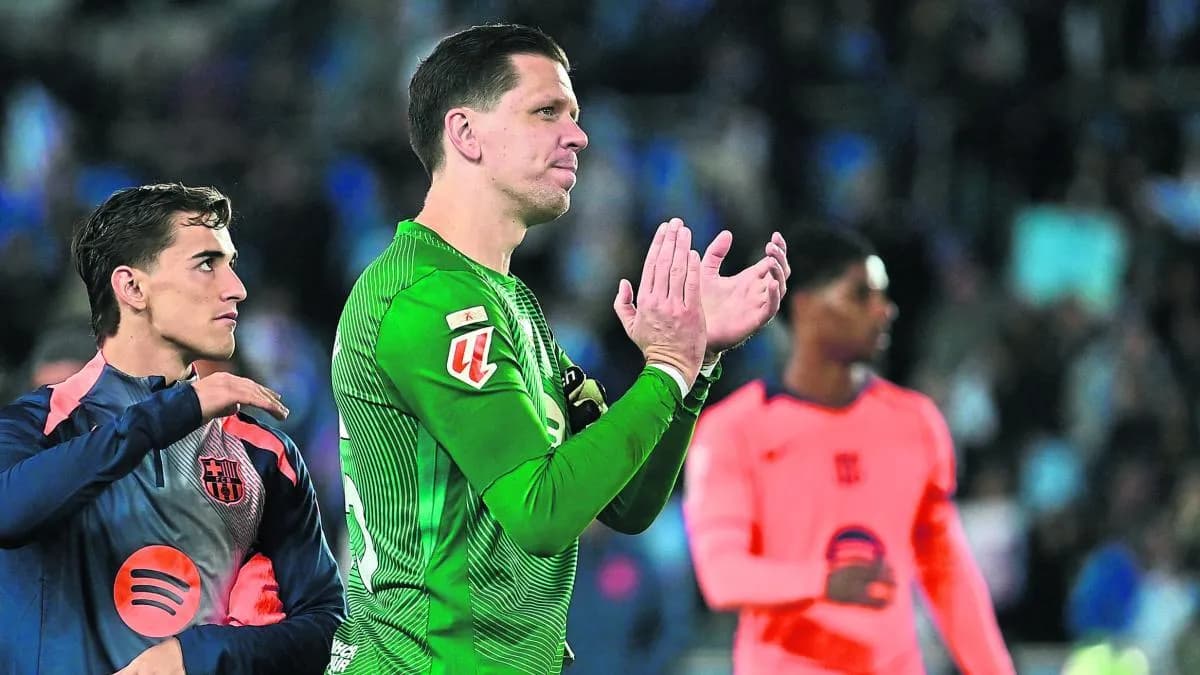
After a celebration lasting over five hours, FC Barcelona managed their squad against Deportivo Alavés with significant rotations. Between fatigue, World Cup stakes, and homage to the past, the Catalan club seeks to balance performance and recovery.
At Mendizorroza, a stadium rich in history for FC Barcelona, an unusual scenario unfolded. The freshly crowned champion team faced Deportivo Alavés in a visible decompression context, marked by significant turnover. This venue is emblematic since it was there in 1999 that Louis van Gaal celebrated a second division title. Two days after a long celebration of more than five hours in the streets of Barcelona, the players showed understandable signs of fatigue and relaxation.
Barça, aiming for the feat of 100 points this season, fielded a largely reshuffled team compared to the starting eleven that had faced Real Madrid. Only Pau Cubarsí, Dani Olmo, and Marcus Rashford started continuously. This management of forces illustrates the club's desire to spare its key players, especially in view of the World Cup fast approaching for several key players. This context created a different match dynamic, where motivation for raw performance gave way to physical recovery.
Luis Enrique's decision to proceed with a large squad renewal responds to several imperatives. First, exhaustion due to an intense season and a prolonged celebration had clearly left its marks. Then, with the imminent World Cup, preserving players' physical condition is a strategic priority. The presence of less usual players on the pitch, such as Pau Cubarsí, also represents an opportunity to give playing time to emerging talents, a strong signal for long-term management.
For Deportivo Alavés, a club fighting relegation, the confrontation against the champion constitutes a major challenge. The reception reserved for Barça, between respect and pressure linked to their delicate situation, shaped a particular atmosphere, making the Mendizorroza ambiance strikingly contrasted. This context undoubtedly moderated the match intensity, which turned into a decompression encounter for the Catalans.
The Symbolic Role of Mendizorroza in Blaugrana History
Choosing Mendizorroza as the stage for this match is no coincidence. This stadium is full of symbols for FC Barcelona, notably due to the conquest of the second La Liga in 1999 under Louis van Gaal's leadership. This glorious past gives each visit a particular dimension, mixing nostalgia and pride. This match against Alavés, in this setting, thus took on a more emotional than competitive tone.
This historical parenthesis also highlights the natural cycle of football, where moments of glory must be followed by phases of rest and rebuilding. Barça seems aware of this necessity, opting for cautious management of its forces a few weeks before a crucial global event for its international players.
This decompression and squad rotation strategy could influence FC Barcelona's dynamics in the season's final stretch. By sparing its key players, the club hopes to avoid injuries and ensure optimal freshness before the World Cup. However, this approach also carries the risk of competitive relaxation, especially against opponents motivated by the fight for survival.
The challenge for Luis Enrique will be to find the balance between rest and preparation, while maintaining collective cohesion and game rhythm. The presence of players like Dani Olmo and Marcus Rashford in the persistent starting eleven offers a foundation of experience and quality around which the youngsters can express themselves.
Final Analysis: A Pragmatic Choice Amid Multiple Stakes
According to Mundo Deportivo, this match at Mendizorroza illustrates FC Barcelona's double constraint: celebrating an exceptional season while anticipating upcoming challenges, notably the World Cup. The decompression displayed on the field is therefore not a sign of disengagement but a thoughtful management of the club's human and physical resources.
This pragmatic approach, marked by significant turnover, reflects strategic maturity that could serve Barça in its short- and medium-term ambitions. It remains to be seen how this management will influence player preparation for international deadlines and the closing of the La Liga season.
Historical Context and Rivalries in La Liga
FC Barcelona, one of Spain's most decorated clubs, competes in a championship where every match can have a decisive impact on the final standings. Historically, La Liga has always been a ground for fierce competitions, notably among giants Barça, Real Madrid, and Atlético de Madrid. This intense rivalry forces teams to maintain a high level of performance throughout the season, making squad management crucial. The quest for 100 points this season demonstrates Barcelona's ambition to leave a lasting mark on this era while managing the transition to the next competitive phase.
Tactical Stakes and Game Adaptation
On the tactical level, the turnover imposed by Luis Enrique required quick adaptation from less usual players. The integration of young talents and substitutes into the starting eleven changes the pace and dynamics of the game, sometimes to the detriment of Barça's usual fluidity. Nevertheless, this approach offers a dual opportunity: testing new combinations on the field and preserving key players. Tactical flexibility becomes a major asset, especially in a context where physical and mental preparation takes precedence over the pursuit of an immediate result.
Impact on Standings and Future Prospects
While the current priority is player management and World Cup preparation, the club cannot completely neglect its La Liga objectives. Every remaining point can make a difference in such a tight competition. The adopted strategy aims to secure the acquired first place while limiting injury risks. This cautious management suggests a promising future, with a solid base to approach next season and international competitions, notably with young players ready to take on more responsibilities.
In Summary
The match at Mendizorroza revealed a pragmatic facet of FC Barcelona, between celebration and anticipation. The thoughtful management of forces approaching the World Cup, the symbolic choice of the stadium, and the integration of young talents testify to a club aware of the multiple stakes it faces. This decompression and rotation phase, far from being mere relaxation, fits into a global strategy aimed at preserving players' physical and mental balance while maintaining competitive momentum. Barça thus prepares its future, hoping that this strategic maturity will bear fruit on the national and international stage.