FC Barcelona: Renewal of Spotify Partnership Until 2034 with €75M Annual Guaranteed
FC Barcelona has renewed its major sponsorship contract with Spotify, increasing the fixed annual compensation to 75 million euros from 2026 to 2030, with naming rights of Camp Nou extended until 2034. This strategic alliance, initiated in 2022, confirms the financial and marketing stability of the Catalan club under the presidency of Joan Laporta.
FC Barcelona secures a lucrative partnership with Spotify until 2034
In October 2025, FC Barcelona officially announced the extension of its sponsorship agreement with Spotify, thus strengthening a collaboration started in 2022 that quickly became a financial pillar for the club. According to Mundo Deportivo, this new agreement raises the fixed annual amount to 75 million euros from 2026 to 2030. Furthermore, Spotify will continue to hold the naming rights of Camp Nou, renamed "Estadi Spotify," until 2034, for an additional 20 million euros per season.
This significant increase compared to the initial 67.5 million euros illustrates the mutual trust between the two entities, as well as Barça's desire to consolidate its revenue sources off the pitch in a demanding economic context.
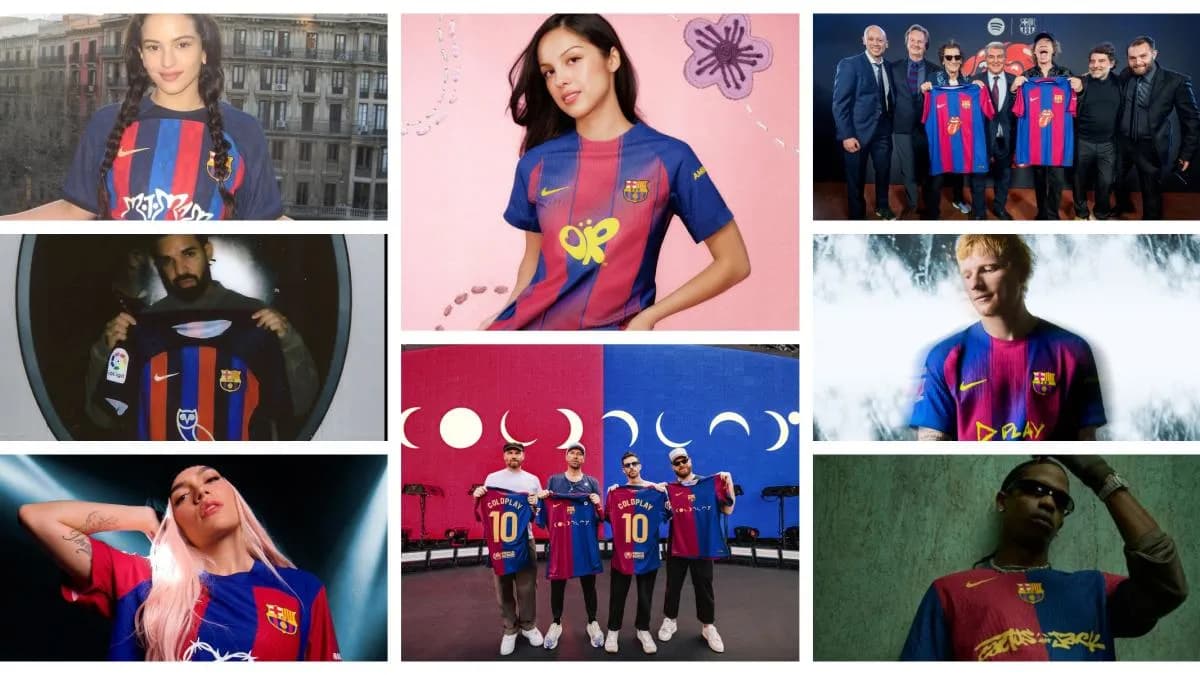
The alliance between FC Barcelona and Spotify goes far beyond simple jersey sponsorship. It embodies an innovative marketing strategy that combines the passion for football with the world of music and digital streaming. Indeed, Spotify is the main sponsor of both the men's and women's teams' jerseys, but also the exclusive partner for the stadium's name, a major advertising lever in global football.
This dual visibility strengthens Spotify's brand awareness among a global audience, while ensuring Barça substantial financial resources essential for the club's sporting competitiveness. Under Joan Laporta's presidency since 2021, this decision has met significant consensus among supporters, positioning the Catalan club as an innovative player in monetizing its commercial assets.
Moreover, this approach fits into a global trend where historic clubs seek to diversify their revenues through naming agreements and digital partnerships, capitalizing on their global image.
Financial and marketing stakes of the renewal
This renewal until 2034 secures major financial stability for FC Barcelona, which benefits from a guaranteed revenue stream essential for its sporting and economic projects. The annual amount of 75 million euros, coupled with an additional 20 million per season for the stadium naming, represents a significant windfall in a sector where TV rights and ticketing revenues remain uncertain.
Additionally, the extension of the naming rights for Camp Nou, renamed "Estadi Spotify," sends a strong signal to the market, demonstrating the club's ability to leverage its iconic infrastructure through long-term, high-value partnerships.
These financial resources will also help support the sporting project led by coach Hansi Flick, another pillar of Barcelona's success since Joan Laporta's arrival.
A model to follow in the sports industry
The success of this partnership exemplifies the evolving relationship between football clubs and technology companies. By integrating Spotify as a major sponsor, FC Barcelona is part of a dynamic of innovation and convergence between sport and digital technologies, particularly in streaming and music.
This alliance opens unprecedented perspectives in terms of fan engagement, marketing activations, and digital monetization. It also illustrates the growing importance of long-term partnerships, which ensure clubs worldwide visibility and stable revenues amid sporting and economic uncertainties.
Analysis: a strategic move for Barça and Spotify
The renewal of the contract with Spotify, at a higher rate than before, confirms the relevance of a commercial strategy that bets on innovative and sustainable partnerships. For Barça, it is an essential financial lever that strengthens an ambitious sporting project. For Spotify, it is a global showcase in a highly followed sports sector, reinforcing its presence in the global cultural and commercial landscape.
This model could inspire other European clubs to explore similar alliances with technology companies, thus demonstrating that the convergence between sport and tech is a major development axis for the football industry in the coming years.
Historical and competitive context of FC Barcelona
FC Barcelona is one of the most emblematic and decorated clubs in world football, with a rich history dating back over a century. This Catalan club has always combined sporting excellence and innovation, both on and off the pitch. Camp Nou, inaugurated in 1957, is a true symbol of this grandeur, hosting the biggest national and international competitions, including La Liga and the Champions League. Barça has long dominated Spanish and European football thanks to its legendary talents and a playing style renowned for its technique and creativity.
In this context, the economic and sporting revival initiated since Joan Laporta's return to the presidency in 2021 is crucial. By renewing strategic partnerships like the one with Spotify, the club equips itself to remain competitive on the European stage while modernizing its economic model in the face of global football changes.
Tactical stakes and impacts on competitiveness
On the sporting level, the financial resources generated by this partnership allow Barça to invest in a quality squad and ensure the necessary stability for the technical staff, led by Hansi Flick. The latter has injected a new tactical dynamic, combining defensive solidity and offensive fluidity, adapted to modern football demands. Economic support also guarantees high-performance infrastructures, a key element to attract and develop talents.
This financial and sporting stability is essential in a tight competition like La Liga, where every point counts for the final ranking. By securing a robust budget, Barça positions itself favorably to compete against powerful rivals while cultivating a unique identity that resonates with its millions of supporters worldwide.
Outlook and upcoming challenges
Looking ahead to 2034, the partnership with Spotify offers FC Barcelona a solid foundation to continue its development. However, the club will need to keep innovating to remain attractive, both sportingly and commercially. The digital transformation of football requires constant adaptation, notably in fan engagement and the exploitation of new technologies.
Moreover, competitiveness on the pitch implies a delicate balance between financial investments, talent management, and sporting results. Barça will also need to maintain a good relationship with its supporters, whose commitment is essential for the project's sustainability. Continuing on this path, the Catalan club could become a model of integrated success, combining sporting performance and economic excellence.
In summary
The extension of the partnership between FC Barcelona and Spotify until 2034 marks a major milestone in the club's overall strategy. It ensures valuable financial stability while enhancing the club's international visibility through an innovative alliance between sport and technology. This model, which combines jersey sponsorship and stadium naming, illustrates a new era in modern football, where revenue diversification is essential to face economic and sporting challenges. More than a simple commercial contract, this agreement embodies an ambitious and sustainable vision that could inspire the entire global sports industry.