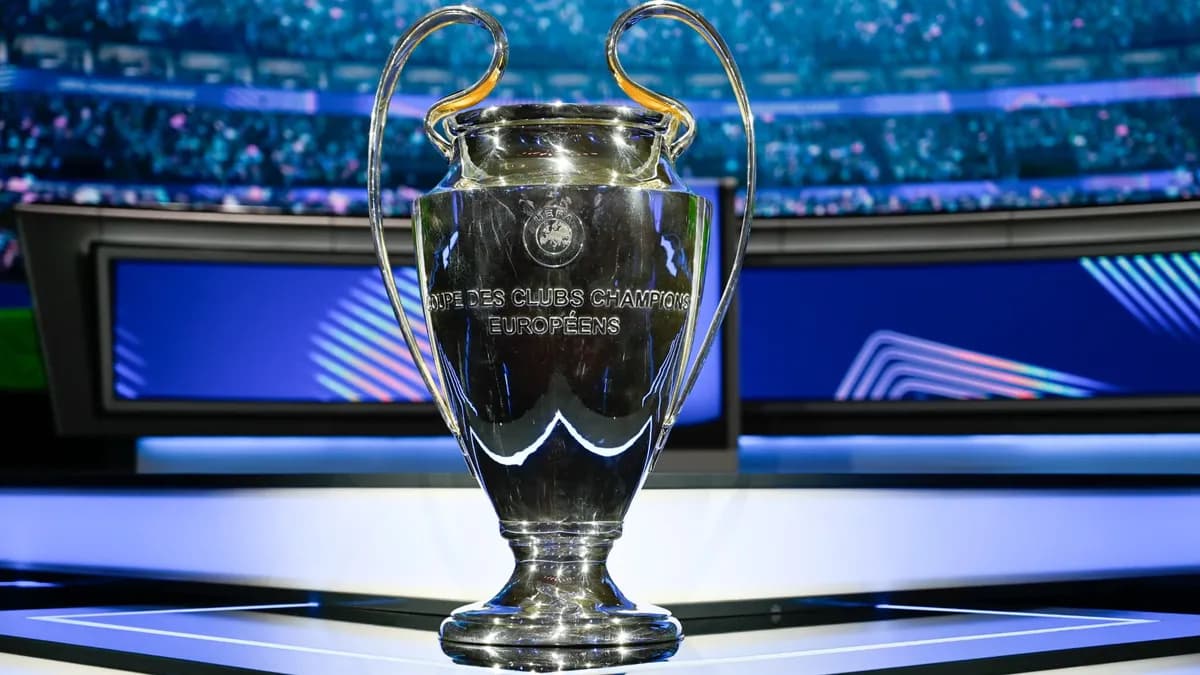
Champions League Final PSG-Arsenal: Why the Broadcast Will Not Be Free in England
For the first time since 1992, the Champions League final between PSG and Arsenal will not be broadcast for free in the United Kingdom. TNT Sport and HBO Max reserve the match for their subscribers, sparking a heated controversy.
The End of a Tradition: The Champions League Final Will Be Paid in the United Kingdom
On May 18, 2026, a major announcement shook the British audiovisual landscape: the Champions League final between Paris Saint-Germain and Arsenal will not be broadcast free-to-air. This decision marks a historic break, as since 1992, this major football event had been accessible for free to English fans. According to RMC Sport, TNT Sport, holder of the rights across the Channel, has chosen to include this match only in its subscription-based content. The HBO Max platform will also offer the match via paid streaming.
This measure, coming just days before the event, has sparked a heated controversy among British supporters, accustomed to following the final for free. The decision by TNT Sport and HBO Max illustrates a growing trend toward exclusive monetization of sports rights, even for world-class events.
Practically, football fans in the United Kingdom will now have to subscribe to a paid service to access the PSG-Arsenal final. TNT Sport, a pay sports channel, has included this match in its premium package, thus excluding non-subscribers. Additionally, HBO Max, a subscription streaming platform, will also broadcast the match, extending paid access to digital viewers.
This dual paid broadcast limits access to the final to a smaller audience than in previous editions. This raises questions about the democratization of sport and the impact of broadcasters’ commercial strategies on fan engagement. The decision could also push some viewers to turn to alternative solutions, legal or not, to watch the match.
By comparison, in many other European countries, the final remains accessible free-to-air or via platforms with more flexible offers, accentuating the contrast with the British situation and fueling the debate on sports rights.
The Mechanisms Behind This Evolution of Broadcast Rights
The shift to paid broadcasting is explained by the rise of streaming platforms and the increased valuation of sports rights. TNT Sport, which now holds exclusive Champions League rights in the UK, is optimizing its revenue by limiting free access to this flagship match.
HBO Max, by partnering with TNT Sport to broadcast the final, is betting on football’s popularity to strengthen its premium content offering. This collaboration illustrates the convergence of traditional and digital media around major sporting events, where exclusivities have become essential levers for subscriber loyalty.
This strategy also relies on a robust technical architecture allowing high-quality broadcasts, adapted to the multi-screen usage of modern consumers, thus enhancing the attractiveness of the subscription.
Impact on the British Market and the Audiovisual Industry
This decision profoundly changes the sports audiovisual landscape in the United Kingdom. By depriving the Champions League final of free broadcast, TNT Sport and HBO Max are redefining consumer expectations and the perceived value of sports rights.
For broadcasters, this represents a risky commercial bet: direct monetization can generate significant revenue but also risks alienating some fans, especially those unwilling to pay for a historic event. For the Premier League and the clubs involved, media exposure could be impacted, particularly among the British public.
Historical Context and Stakes for the Finalist Clubs
Paris Saint-Germain, dominant in France for several years, aims to win its first Champions League title, a trophy that has eluded it despite massive investments and a star-studded squad. On the other hand, Arsenal, one of England’s emblematic clubs, returns to a European final after a long period without notable success on the continental stage. This clash between a French club seeking recognition and a traditionally strong but rebuilding English club gives a particular significance to this final.
Historically, the Champions League is the most prestigious competition in European football, and winning this title represents the sporting pinnacle for any club. PSG, with its international ambitions, seeks to transform its image and establish itself sustainably at the top, while Arsenal hopes to revive its momentum after mixed seasons in the Premier League. This final therefore embodies a major sporting challenge, with deep implications for the reputation and future of both clubs.
Tactical Stakes and Sporting Perspectives
From a tactical point of view, this final promises an exciting confrontation between two distinct playing philosophies. PSG, often focused on an offensive and flamboyant style thanks to its stars, will have to manage the pressure of an English team known for its defensive solidity and rigorous organization. Arsenal, under the impetus of its coach, relies on intense pressing and a united collective to counter PSG’s individual power.
The outcome of this match could influence not only the clubs’ trophy records but also their momentum for the following season. A Champions League victory would strengthen the European credibility of the winner and could attract new talents and sponsors. Conversely, a defeat could raise questions about the sporting strategy and prompt internal adjustments.
Repercussions on the Current Season and Standings
Beyond prestige, the Champions League final also impacts the current season and national rankings. For Arsenal, a European success could boost confidence and improve the club’s position in the Premier League, bringing a positive ripple effect. For PSG, winning the continental title would consolidate its supremacy in Ligue 1 and offer a psychological advantage for upcoming competitions.
Moreover, the increased visibility linked to a Champions League victory can influence transfer markets, sponsorship contracts, and the commercial revenues of clubs. This final is therefore a key moment that could redefine the balance of power in European football for years to come.
In Summary
The decision not to broadcast the Champions League final between PSG and Arsenal for free in the United Kingdom marks a significant break in the sports audiovisual landscape. It raises many questions about the accessibility of top-level football and illustrates the economic stakes linked to the valuation of sports rights. At the same time, the final itself, pitting two historic clubs with different ambitions, constitutes a major event with important tactical, sporting, and commercial implications. Faced with these developments, balancing profitability and the democratization of sport remains a major challenge for broadcasters, clubs, and supporters.