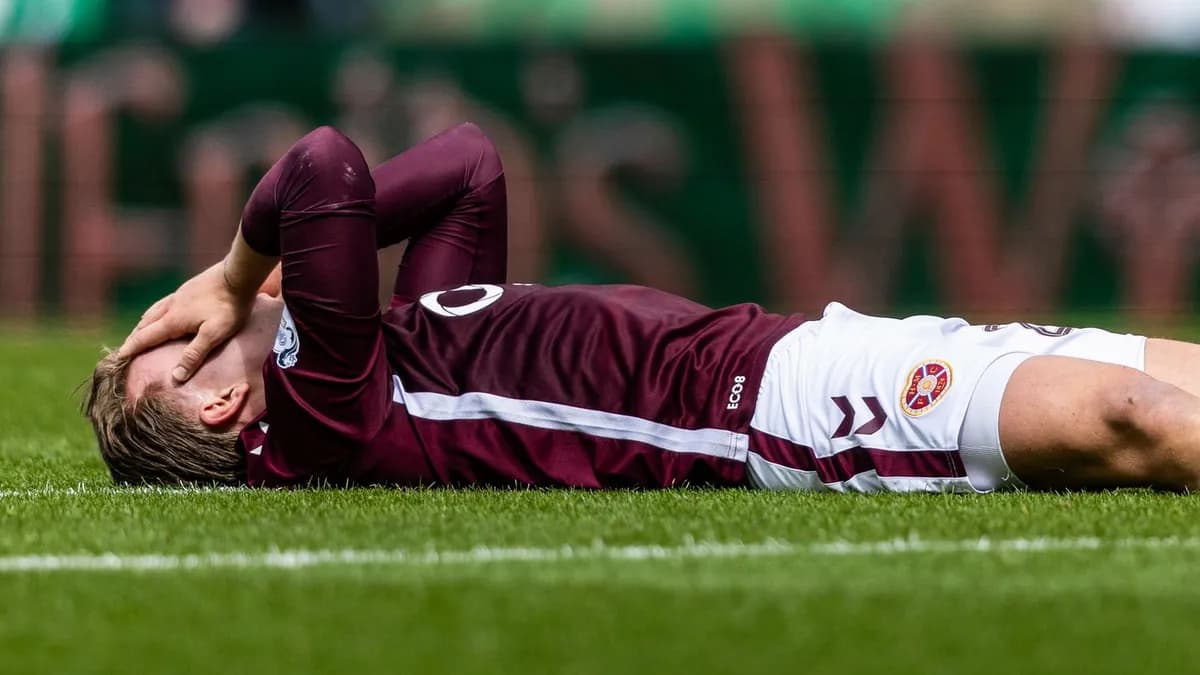
Hearts denounces pitch invasion and serious abuses after Celtic Park in Scottish Premiership
After Celtic's victory against Hearts, a pitch invasion escalated into serious physical and verbal abuse against the visiting players and staff. Hearts calls these incidents "shameful" and "unacceptable" and has filed an official complaint.
A pitch invasion condemned by Hearts after a match at Celtic Park
The match between Celtic and Hearts ended with a major incident that goes beyond the sporting context. Following the 3-1 victory of the home club, Celtic supporters invaded the pitch, causing an out-of-control situation. Hearts, through the voice of its club, denounced a "shameful," "unacceptable," and "deplorable" pitch invasion, emphasizing that players and staff suffered serious physical and verbal abuse.
This type of incident is particularly concerning in the context of Scottish football, where the safety of players and staff should be a top priority. The visiting club has decided to file a complaint so that measures are taken to ensure such behavior does not happen again.
Physical and verbal abuses: a wake-up call for the Scottish Premiership
According to official statements from Hearts relayed by Sky Sports, players and members of the technical staff were victims of "serious" abuse during this invasion. These behaviors include physical assaults and insults uttered by supporters, which go far beyond a simple overflow of sporting passion.
This type of incident raises a fundamental question about security management in Scottish stadiums, especially in major Premiership fixtures. The psychological impact on players, already under strong pressure during matches, can be considerable and risks tarnishing the championship's image.
Beyond the emotional dimension, this pitch invasion highlights the limits of the security measures in place. Scottish football authorities are now faced with the need to intensify their preventive measures to avoid the recurrence of such incidents.
Moreover, sporting and criminal sanctions could be considered, both against the individuals involved and the host club, depending on the conclusions of ongoing investigations. Hearts, as the victim, has clearly expressed its wish for firm actions to be taken to protect its players and staff.
Impact on the sporting rivalry and image of Scottish football
The tensions between Celtic and Hearts are historic, but this episode risks casting a lasting shadow over relations between the two clubs and their supporters. Sporting rivalry must remain healthy and respectful, which is challenged by these excesses.
For Scottish football, which seeks to strengthen its attractiveness and professionalism, managing this crisis is a crucial issue. The federation and clubs will have to collaborate to restore a climate of trust and ensure that sport remains a peaceful celebration.
Outlook: towards a strong response from football authorities
The complaint filed by Hearts marks a turning point in the reaction to violence in Scottish stadiums. The competent authorities, notably the Scottish Football Association, are expected to step up to enforce the rules and guarantee the safety of all stakeholders.
According to available data, this type of incident, although rare, could become a case study for implementing reinforced protocols. Increased vigilance around high-stakes matches will be decisive to prevent any recurrence.
Historical context and stakes of the match in the Scottish Premiership
The duel between Celtic and Hearts is part of a long tradition in Scottish football, where clashes between historic clubs always generate strong emotions. Celtic, one of the most decorated and popular clubs in Scotland, regularly plays a leading role in the championship, while Hearts, with its rich heritage and solid bases in Edinburgh, seeks to remain among the best teams in the country. The Scottish Premiership, although dominated in recent years by a handful of teams, remains an intense championship where every match can have a significant influence on the final standings. Thus, tensions on the pitch often reflect the passionate rivalry of supporters in the stands.
This match was particularly important for Hearts, who sought to gain precious points against a top opponent. The defeat, followed by the invasion incident, compromises not only their sporting ambitions but also highlights the challenges the club and its players face, notably in terms of security and respect in the competitive environment.
Tactical consequences and psychological impact on the teams
From a tactical perspective, the match was certainly marked by high intensity, typical of games between Celtic and teams like Hearts that often adopt a strategy based on defensive solidity and quick counterattacks. Celtic's victory probably relies on technical mastery and the ability to exploit the opponent's weaknesses, but the post-match incident risks diverting attention from purely sporting analyses. For Hearts players, suffering physical and verbal abuses after such a match can have a heavy psychological impact, affecting their confidence, concentration, and motivation for upcoming games.
On Celtic's side, although victorious on the pitch, the club also finds itself under pressure to manage the consequences of its supporters and preserve its image. The need for a clear reaction and responsible communication is all the more important as these events can undermine team cohesion and the calmness of future preparations.
In summary
The pitch invasion that occurred after the Celtic-Hearts match is a serious event that goes beyond the simple sporting framework. Hearts has firmly condemned these acts, denouncing the physical and verbal abuses suffered by its players and staff. This context recalls the crucial importance of security in Scottish stadiums and poses a major challenge to sports authorities. Faced with this crisis, the Scottish Premiership must find solutions to guarantee a respectful and safe environment, both for players and supporters. The response of the authorities, coupled with collective awareness, will be decisive to preserve the integrity and attractiveness of football in Scotland.