LaLiga Strengthens Its Lead Over the Bundesliga for UEFA Fifth Place in 2026
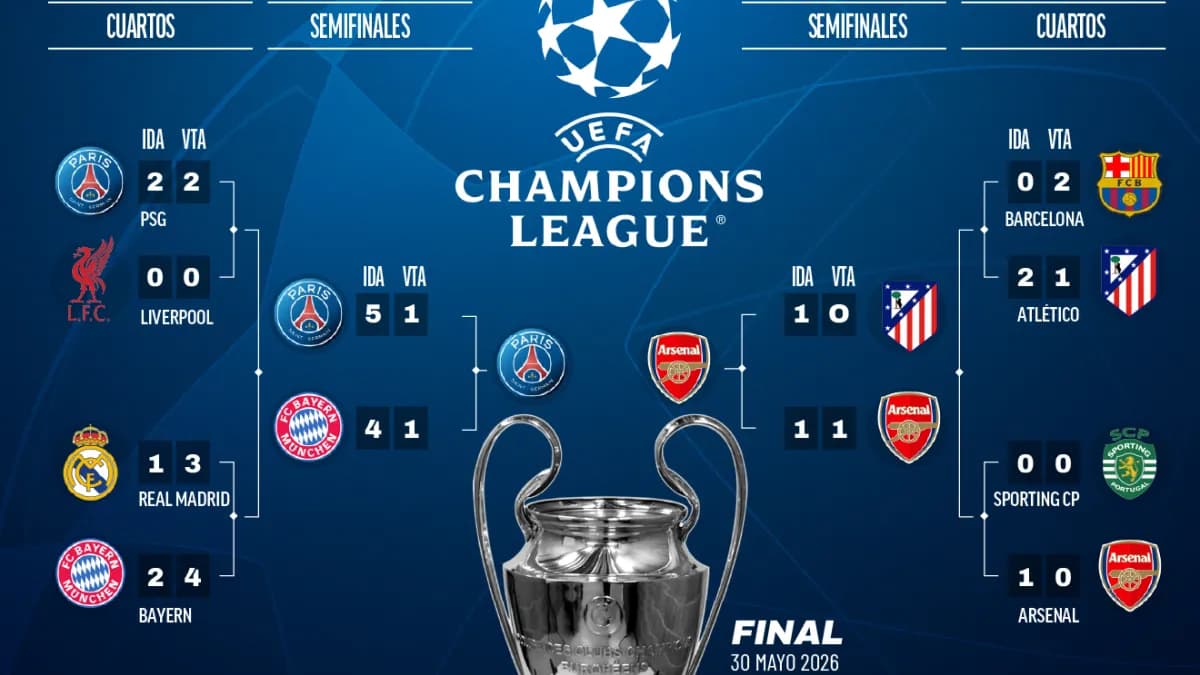
Thanks to recent defeats of Bayern and Freiburg, LaLiga extends its lead over the Bundesliga in the race for the valuable fifth place in the UEFA rankings. This positive momentum gives Spain a new boost for the 2026 season.
LaLiga Consolidates Its UEFA Fifth Place at the Expense of the Bundesliga
The fight for the fifth place in the UEFA rankings, which guarantees a spot in the Champions League, is taking a favorable turn for LaLiga. According to an article by Marca published on May 1, 2026, the recent defeats of Bayern Munich and SC Freiburg have allowed LaLiga not only to maintain but also to widen its lead over the Bundesliga. This performance is crucial for Spanish football, which seeks to preserve its European assets against German competition.
This progress comes in a context where the battle of UEFA coefficients directly impacts the allocation of places in European competitions. The fifth place in particular is highly contested, as it offers direct access to the Champions League group stage, thus avoiding the often perilous preliminary rounds.
Maintaining and widening the gap with the Bundesliga strengthens the competitive position of Spanish clubs at the European level. LaLiga clubs thus benefit from more secure access to the revenues generated by the Champions League, essential for their financial balance and attractiveness in the transfer market.
Indeed, the increased presence of Spanish clubs in this flagship competition helps attract international talents, strengthen club brands, and boost broadcasting rights. This virtuous circle is a cornerstone of LaLiga's global development strategy.
Moreover, this situation offers a strategic advantage in negotiating commercial contracts and partnerships, where European visibility plays a decisive role. The Bundesliga, for its part, will have to redouble efforts to get back into the race against this lead consolidated by LaLiga.
Key Factors Behind the Current Momentum
The defeats of Bayern Munich, the flagship club of the Bundesliga, and SC Freiburg were decisive events. Bayern, accustomed to dominating the German scene and performing in Europe, has recently seen its progress slowed, which weakened the Bundesliga's overall rating in the UEFA rankings.
Meanwhile, Freiburg, which had managed to earn important points in European competitions, also suffered a setback. These negative results directly benefited LaLiga, which was able to capitalize on more consistent performances from its clubs at the same time.
This situation illustrates the importance of the national collective in the UEFA rankings, where the consistency of clubs in continental competitions is crucial. LaLiga currently seems to manage this consistency better, giving it the advantage in the race for fifth place.
Outlook for the 2026 European Season
With this increased lead, LaLiga is well positioned to guarantee its clubs direct and secure access to the Champions League via the fifth place. This could reshape the European football landscape by consolidating Spanish supremacy in this highly coveted segment.
For the Bundesliga, the challenge is now to reverse the trend and regain positive momentum in upcoming European fixtures. This indirect duel between major leagues highlights the strategic importance of the UEFA rankings in the overall competitiveness of European football.
Tactical Issues and Strategies for Spanish Clubs
Beyond results, LaLiga's rise in the UEFA rankings also reflects a notable tactical evolution of Spanish clubs on the European stage. In recent seasons, several teams have strengthened their defensive solidity while maintaining their offensive tradition, thus offering a balance that allows them to better manage the pressure of international competitions.
This more pragmatic tactical approach, combined with better squad management and adaptation to the varied styles of European opponents, contributes to consistent performances. Furthermore, integrating young talents from local academies allows teams to renew themselves while maintaining a high level of competitiveness.
The ability of LaLiga clubs to adjust their game plans according to specific challenges encountered in the Champions League or Europa League is a key factor explaining their resilience. This tactical flexibility could prove decisive in preserving the fifth place against the Bundesliga.
Historical Context and Rivalry Between LaLiga and the Bundesliga
Historically, LaLiga and the Bundesliga have always been among the most powerful European leagues, each with its own characteristics. LaLiga long dominated continental football thanks to its legendary clubs like Real Madrid and FC Barcelona, which have marked Champions League history with their repeated successes.
The Bundesliga, for its part, has established itself through its pragmatic approach and ability to develop local talents, with Bayern Munich as the spearhead dominating the German and European scene. This sporting rivalry has extended to the UEFA rankings, where every point earned by a club contributes to the overall position of the league.
The current fight for fifth place thus reflects a long and intense battle that goes beyond individual results. It also mirrors a confrontation between two football and sports management models, with a major stake for the attractiveness and sustainability of clubs on the international stage.
Impact on Mid-Sized Clubs and Secondary European Competitions
Beyond flagship clubs, LaLiga's consolidated position in the UEFA rankings offers significant opportunities to mid-sized Spanish clubs. These teams benefit from better access to secondary European competitions such as the Europa League and Conference League, which allows them to increase their international experience and improve their profile.
This European exposure is essential for their sporting and economic development, enabling them to attract quality players and increase their revenues. The strength of the Spanish league in the UEFA rankings thus reinforces the entire national football pyramid, fostering a stable and dynamic competitive ecosystem.
By contrast, the Bundesliga will need to ensure it does not let this lead widen the gap, lest its mid-tier clubs lose competitiveness, which could eventually affect the diversity and richness of the German championship.
In Summary
The current situation confirms that the battle for European places is not only about individual club performances but about a league's collective ability to perform regularly in Europe. LaLiga, thanks to the stability and quality of its clubs, benefits from the occasional failures of its German rivals.
However, the margin remains fragile and dependent on upcoming results. The current momentum offers relative comfort but not a definitive guarantee. The Bundesliga remains a major power and could reverse the trend if its clubs regain their usual level.
In conclusion, according to Marca, the UEFA fifth place is today a clearly strengthened opportunity for LaLiga, carrying major sporting and economic stakes for the 2026 season.