
Context
Since its acquisition in 2011 by Qatar Sports Investments, Paris Saint-Germain (PSG) has transformed into a major power in European football. The French capital club has multiplied investments, both sportingly and commercially, with the aim of establishing a lasting presence among the elite of world football. This strategy has allowed PSG to attract internationally renowned players and solidify its image internationally.
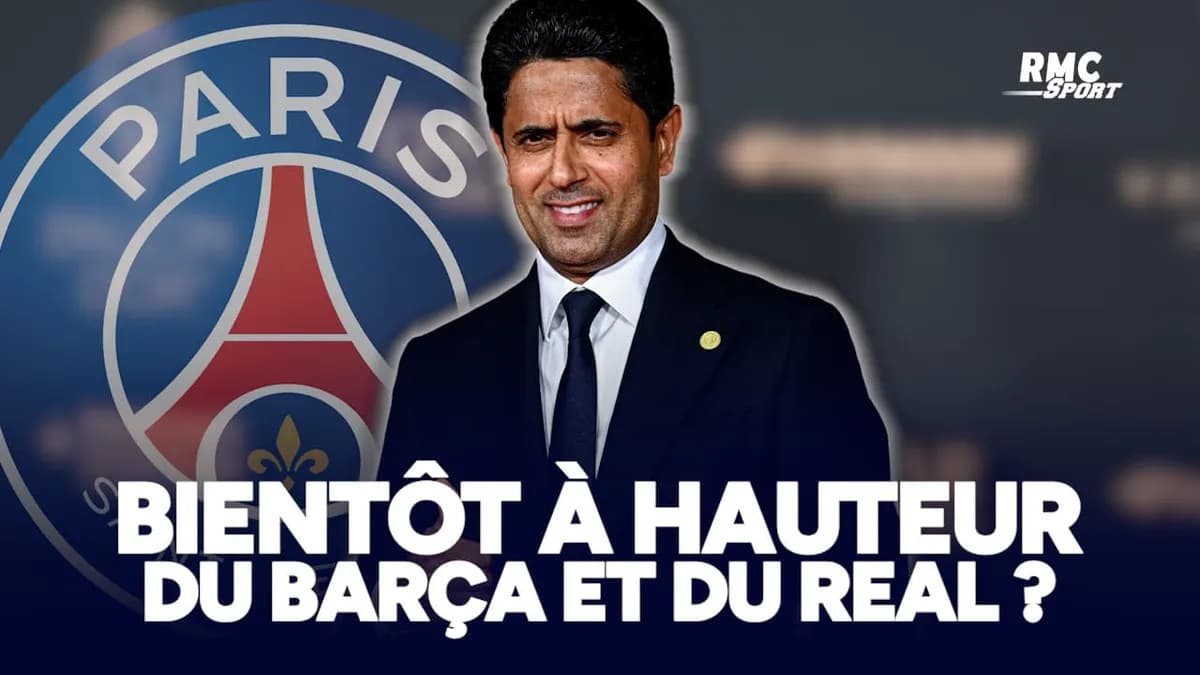
PSG's influence now largely extends beyond French borders, with a rapidly expanding fan base and strong visibility in Asian, American, and Middle Eastern markets. These elements contribute to strengthening the PSG brand, which aims to position itself permanently at the same level as historic clubs like Real Madrid or FC Barcelona, benchmarks of European and world football.
In this context, economic analysis becomes essential to understand the growth dynamics and challenges the club faces. Luc Arrondel, a sports economist and CNRS researcher, provides valuable insight into this evolution and the Parisian club's long-term prospects.
Key Highlights
Luc Arrondel recently spoke about PSG's ambition to rival European giants within a ten-year horizon. This statement highlights relative confidence in the club's development potential, particularly in economic and marketing terms. According to him, it is "not impossible that PSG will find itself at the level of Real and Barça within 10 years".