Mikel Arteta urges Arsenal to channel their energy to clinch the title in 2026
At 22 years without a Premier League title, Arsenal under Mikel Arteta focuses on the final matches, despite criticism of their celebrations. The manager urges his players to maintain their positive energy as they approach a potential historic triumph.
Arsenal have not won the Premier League title since 2004, which is 22 years, marking the longest wait since their first triumph in 1931 under Herbert Chapman. This historical fact is illustrated by a series of photos in the corridors of the Emirates Stadium, tracing each trophy won, notably the famous Invincibles team of Arsène Wenger. Today, under the leadership of Mikel Arteta, the goal is clear: to end this long drought and bring the club back to the top of England.
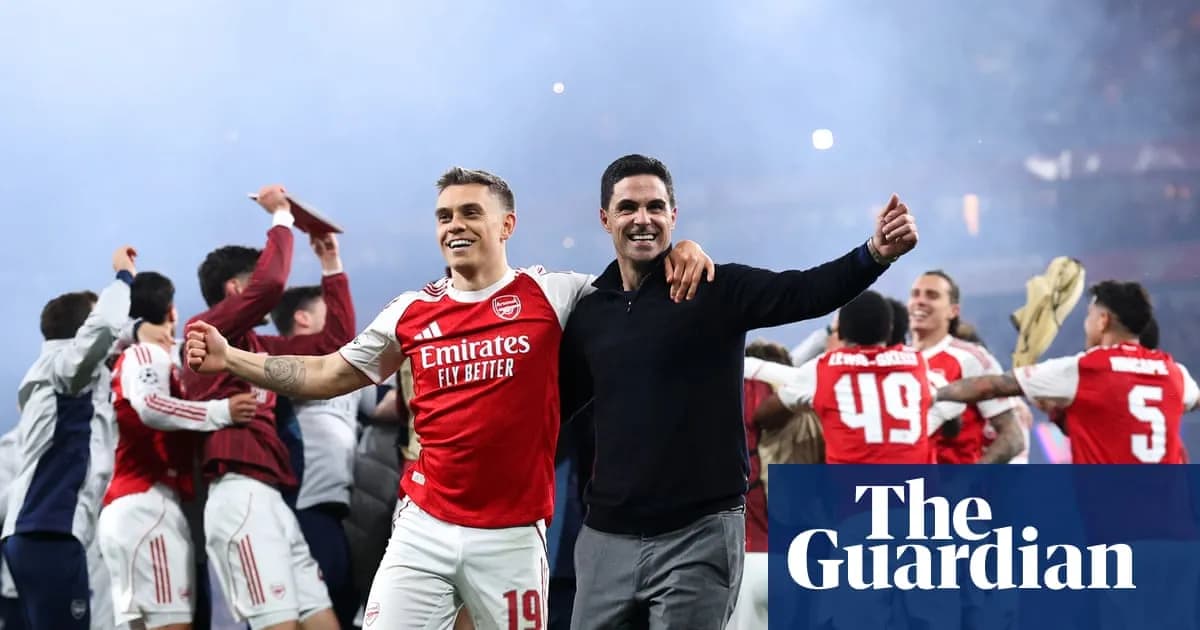
However, this quest does not come without pressure or criticism. The Spanish manager recently dismissed the reproaches from what he calls the "celebration police," insisting that his players must channel their energy constructively, especially ahead of the trip to West Ham this Sunday, a key match in the title race.
According to Mikel Arteta, psychological management is as important as technical preparation in this decisive phase. He emphasized that his players must transform their enthusiasm into focus and determination to secure the necessary successes to realize a promising season. This pragmatic approach contrasts with external criticisms that sometimes judge celebrations as premature or excessive.
The context is all the more particular as Arsenal have already won several FA Cups since 2004, but the Premier League championship has remained out of reach for over two decades. This wait fuels immense pressure on the group, which must now rely on its collective strength and discipline to overcome this last hurdle.
Arteta thus insists that energy must be directed positively, a key message as every match becomes a true test of character and mental resilience.
The role of leadership and collective memory
The honor corridor at Emirates Stadium, where photos of victorious teams are displayed, is a daily reminder of Arsenal’s glorious history and tradition of success. This collective memory plays a driving role in motivating current players, who know they carry the hopes of a club with a prestigious and demanding record.
Mikel Arteta, as manager, positions himself as the guide capable of channeling this pressure into collective strength. He must manage the expectations of supporters and media while keeping the group focused on sporting performance. The confrontation at West Ham will therefore be a first revealing test of this ability to handle tension.
A season of high importance for Arsenal
As the championship enters its final phase, Arsenal’s momentum is closely scrutinized. The club, which has not lifted the trophy for 22 years, faces a crucial opportunity. The success or failure of this campaign will be decisive for Arteta’s future and confidence in the sporting project.
Beyond the simple quest for a trophy, this season embodies a major psychological challenge, where every detail counts. The ability to transform collective energy into concrete results will be the key to ending a long wait.
Historical context and Premier League stakes
Since its creation in 1992, the Premier League has become one of the most competitive championships in the world, attracting the best talents and imposing a frenetic pace throughout the season. Arsenal, an emblematic club of English football, has marked this competition with periods of dominance, notably under Arsène Wenger who led the team to several titles, including the unbeaten 2003-2004 season. However, the transformation of the championship with the arrival of new powerful actors and increased demands has made winning the title more difficult than ever.
In this context, every match becomes a major tactical challenge. Arsenal’s ability to adapt to different opposing strategies, while maintaining its identity of fluid and offensive play, is crucial. Mikel Arteta, drawing on his experience and convictions, works to refine a team capable of combining defensive solidity and offensive creativity to meet the championship’s demands.
Tactical stakes and preparation for the match against West Ham
The trip to West Ham represents an important tactical test for Arsenal. The Hammers, known for their physical intensity and rigorous defensive organization, are a formidable opponent at home. Arteta will have to find the right balance between game control and exploiting spaces, while ensuring collective discipline to avoid costly mistakes.
The manager relies on meticulous preparation, emphasizing the need for his players to stay focused and channel their energy in the right direction. Managing the highs and lows of the match will be decisive, and each player must assume their responsibilities within a coherent tactical system. These choices will have a direct impact on the standings and Arsenal’s ability to maintain their lead in the title race.
Future prospects and impact on the club
Beyond the current season, Arsenal’s success in this final phase could have major repercussions on the long-term sporting project. A Premier League title would end a long period without a national crown and strengthen Arteta’s credibility as a manager capable of restoring the club’s former stature.
Moreover, this success could galvanize the group and attract new talents, thus creating a virtuous circle around an ambitious and competitive collective. The renewed confidence of supporters and investors would also be a powerful driver for the coming seasons, consolidating Arsenal’s place among the elite of English and European football.
In summary
Arteta’s call to channel energy is a strong sign of a fine understanding of the psychological stakes in high-level sport. While criticism flies over celebrations, he reminds that emotional management is essential for success. Arsenal, through this approach, shows growing maturity and the pragmatism necessary to hope to win a title that has eluded them for too long.
The confrontation at West Ham will be a valuable indicator of the group’s ability to meet these demands and could mark the beginning of a new victorious era if the players follow their manager’s instructions.