
Introduction to the Duel
In amateur football, the presence of parents during youth tournaments has long been considered essential support for children's development. However, this relationship becomes more complex in the face of rising violence and excesses on the sidelines. Recently, a club in the Loiret region, l’Avant-Garde Boigny Chécy Mardié, decided to attempt a radical measure: banning parents from attending a U9/U10 tournament.
This unprecedented choice raises a crucial debate in amateur football, between the desire to protect children and young players, and that of maintaining a family and encouraging atmosphere. This face-off between traditional parental presence and its temporary exclusion paves the way for in-depth reflection on the issues of behaviour around football pitches at local and national levels.
Parents Banned: The Profile
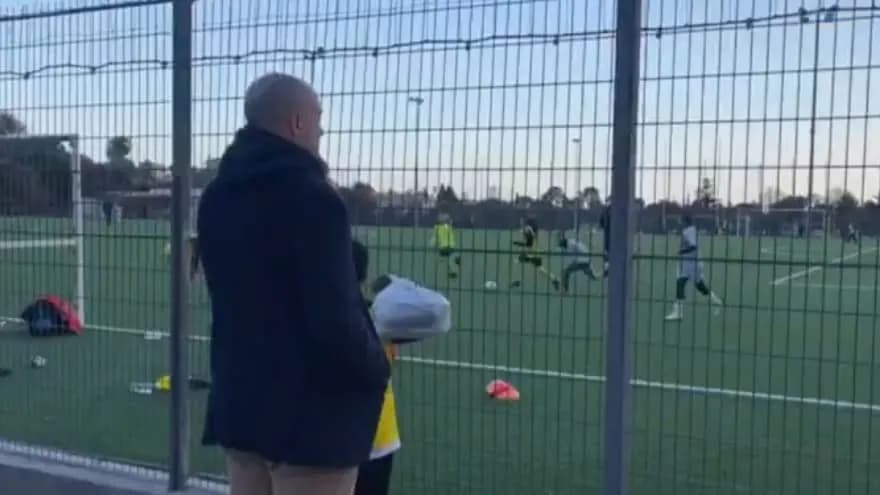
The Avant-Garde Boigny Chécy Mardié club, located in the Loiret region, decided to ban parents from accessing a U9/U10 tournament organised last Wednesday in Boigny. This initiative directly aims to limit violent behaviour and recurring tensions observed on the sidelines of amateur football pitches. The club particularly highlights the excesses linked to the “Mbappé project,” an expression referring to the excessive pressure exerted on young players through sometimes disproportionate expectations from parents and coaches.
This exceptional measure was widely praised by the majority of local football stakeholders, who see it as a way to preserve a serene and secure environment for children. By banning parental presence, the club sought to reduce sources of stress, provocations, and conflicts, thereby hoping to promote a healthier and more respectful practice of the sport among the youngest.
According to available data, this experience remains unique in the