
Context
In a highly anticipated Premier League match, Manchester City recently faced Arsenal, a duel always rich in intensity and stakes. This confrontation attracted particular attention not only for the quality of play but also for the players' reactions at the end of the match. Celebrations, often carrying strong messages, sparked a lively debate among English football observers and analysts.
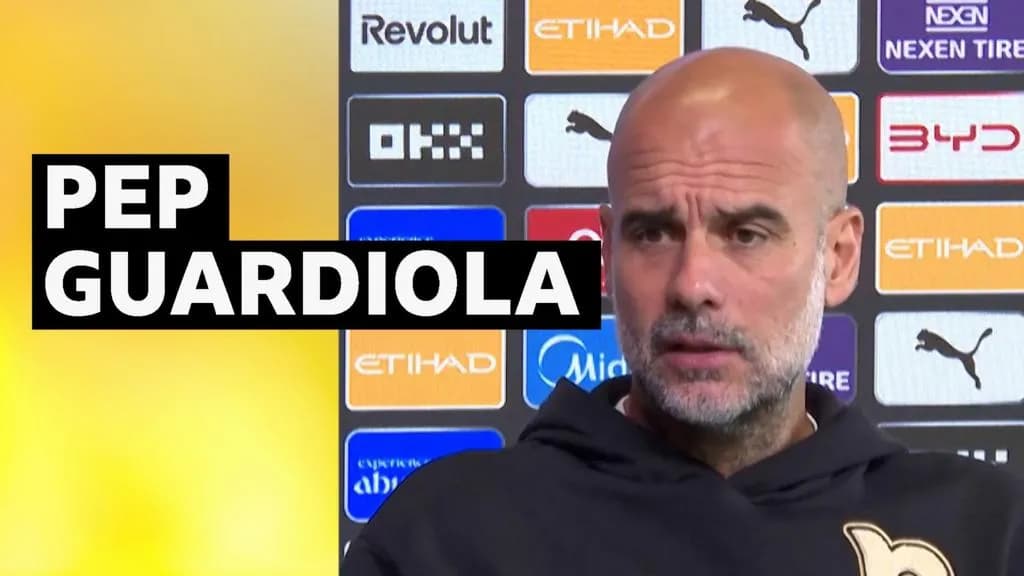
Manchester City manager, Pep Guardiola, an emblematic figure and respected tactician, was at the heart of this controversy. While his team's victory should have been the main subject of analysis, criticism focused on how his players expressed their joy after the final whistle. This phenomenon illustrates how off-field behavior can sometimes overshadow on-field performances.
In this context, Guardiola chose to speak publicly to defend his players' reactions. His statement reflects a firm and protective vision towards his group, insisting on freedom of expression and the right to celebrate within a sport as passionate as football. This stance raises several questions about emotion management in high-level sport.
Key Facts
During the match between Manchester City and Arsenal, the Citizens' victory was accompanied by celebrations deemed excessive by some experts and former players. The latter expressed their disagreement in the media, believing that the attitude of City's players crossed the line of respect towards their opponent. These criticisms quickly found a