Real Madrid: Critical Analysis of Performances and Excesses Noted After a Pivotal Week
Juan Ignacio García-Ochoa delivers an uncompromising assessment of recent events surrounding Real Madrid, highlighting flaws in both sporting and extra-sporting areas. Between unfinished suspense and excessive behaviors, the Merengue club is under fire.
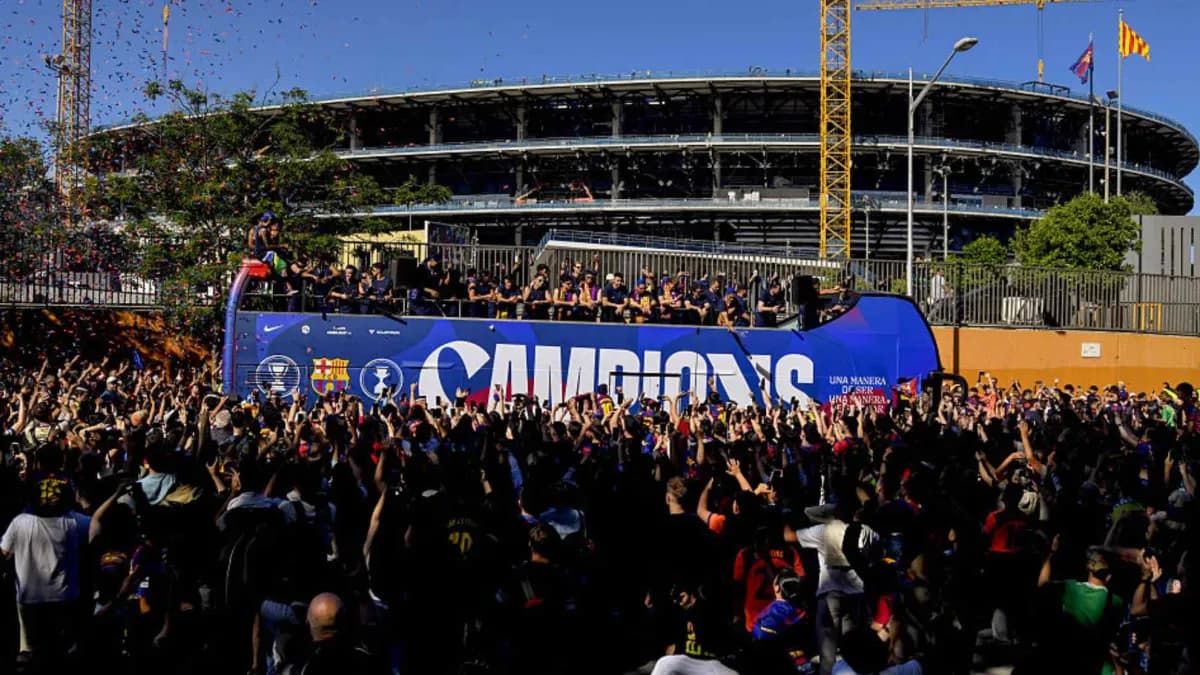
Real Madrid has gone through a recent period marked by mixed performances and episodes that have raised questions both on and off the field. Juan Ignacio García-Ochoa, in his weekly column published in Marca, notably assigns a "suspenso" to the "rúas," a term that can refer to outings or parades, symbolizing a lack of cohesion or collective success. This observation highlights a week where expectations were not met, reflecting a deficit in rigor or effectiveness in the initiatives taken.
At the same time, the journalist points to a "desfile de excesos" which translates to a series of excesses, possibly in management, discipline, or even in attitudes visible during public or media appearances. These excesses could harm the club's image and internal dynamics, risking affecting concentration and sporting performance.
The grades given by García-Ochoa suggest difficulties in stabilizing Real Madrid's success during a crucial period. The "suspenso" given to the "rúas" can be interpreted as a warning about the need to improve tactical coherence and player commitment during collective events, especially in major fixtures.
As for the excesses denounced, they highlight a less visible but equally critical aspect: discipline within the squad and control of public communications. In a club as media-exposed as Real Madrid, these behaviors can quickly become counterproductive, impacting players' focus and the club's perception by supporters and sponsors.
Furthermore, these criticisms invite introspection on managing the season's key moments, where pressure rises and stakes are high. Real Madrid may need to review some mental and collective preparation protocols to maintain its usual level of excellence.
Context and Comparison of Stakes
In the context of La Liga and European competitions, Real Madrid's performances are scrutinized with maximum demand. While the team has often shown resilience and adaptability, the week analyzed by Marca reveals that this ability is not always present. This can be explained by increased competition, player fatigue, or unresolved internal tensions.
Comparison with other top-level clubs shows that balancing sporting performance and managing behavioral excesses is a key success factor. Despite its impressive record, Real Madrid is not exempt from criticism in this regard, reinforcing the importance of rigorous governance and strengthened oversight.
Perspectives for Real Madrid
According to the reported observations, it is imperative that Real Madrid takes corrective measures to address these deviations. This could include strengthening internal rules, more controlled communication, and particular attention to players' mental preparation during crucial phases of the season.
This critical feedback, coming from a recognized source like Marca with notable authority, serves as a warning signal for the Merengue club. It clearly indicates that sporting excellence cannot be separated from exemplary discipline and measured management of internal and external relations.
Our Analysis
This evaluation reveals that Real Madrid, despite its status as a football giant, is not immune to organizational and behavioral flaws. The "suspenso" for the "rúas" and the "desfile de excesos" point to imbalances that must be addressed pragmatically. These criticisms should be taken seriously to prevent them from permanently affecting the club's competitiveness.
It will be interesting to see how Real Madrid responds to these remarks, particularly in terms of sports management and communication. Such a reassessment, if well conducted, can strengthen the club's structure and consolidate its position in major competitions.
A Historical Context That Weighs on the Club's Shoulders
Real Madrid is a club whose history is deeply rooted in excellence and the constant pursuit of titles. Founded in 1902, it has established itself as a global reference thanks to an exceptional record, notably in La Liga and the Champions League. This tradition of success creates constant pressure on players and staff, who must continuously meet the high expectations of supporters and the media.
In this context, every period of doubt or underperformance is particularly scrutinized, amplified by intense media demand. The club is also known for its ambition to never settle for the status quo, always seeking to improve its squad and methods. This perpetual quest can sometimes generate tensions, especially when on-field results do not immediately follow.
Marca's column thus fits into this framework where the slightest misstep is analyzed meticulously. The imbalance mentioned regarding the "rúas" and excesses can be interpreted as a reminder of the challenges a historic club faces in managing its human resources and image.
Tactical Stakes and Necessary Adaptations
On the tactical level, the week in question seems to have revealed weaknesses in the team's balance and coordination. Real Madrid has traditionally favored a style of play combining possession, speed, and intensity. However, the criticisms directed at the "rúas" suggest a lack of synchronization and collective discipline, elements that are essential in key moments of matches.
These tactical difficulties may stem from a lack of concentration or poor management of the match's critical phases. The excesses noted in the column could also reflect a sometimes excessive temperament or inadequate management of emotions, which have direct repercussions on performance and game organization.
For the technical staff, the task is therefore to identify these fragile areas and work to strengthen group cohesion, notably through targeted exercises and better internal communication. Adapting tactical schemes according to opponents and seasonal circumstances is also a major challenge to regain stability and optimal efficiency.
Potential Impact on the Ranking and Club Ambitions
If these imbalances and excesses are not quickly corrected, they risk having a significant impact on Real Madrid's ranking, especially in a La Liga where competition is fierce and every point counts. The stakes are even higher as the analyzed period corresponds to a crucial phase of the season, where decisions made can determine access to trophies and qualification for European competitions.
Beyond the immediate ranking, these difficulties could affect collective confidence and the club's image in the medium term. Increased pressure from the media and supporters could intensify internal tensions if no corrective measures are implemented swiftly.
That is why the club's management must ensure a balance between sporting demands and rigorous management of human and behavioral aspects. Maintaining Real Madrid's competitiveness will largely depend on this ability to manage the fragile balance between performance and discipline, in a season where every detail can make a difference.
In Summary
The past week has highlighted organizational and behavioral flaws within Real Madrid, revealed by Marca's critique. The "suspenso" for the "rúas" and the "desfile de excesos" underline an urgent need for tactical, disciplinary, and managerial reassessment. In a historic club with legendary demands, these alerts should be seen as opportunities to strengthen cohesion and regain excellence.
The challenge for Real Madrid now lies in its ability to quickly correct these imbalances to preserve its sporting ambitions and image. The club is at a pivotal moment where success will depend as much on the quality of play as on collective discipline and control of internal excesses.